
What Is The Rationale Behind Using Legal Document Preparation Services In Florida?

Considering the legal complexities you may face, utilizing legal document preparation services in Florida can significantly streamline your processes. These services provide you with professional assistance in drafting important documents, ensuring compliance with state laws, and avoiding potential pitfalls. By opting for these services, you can save time and reduce your stress while confidently navigating legal requirements for matters such as wills, divorce, or business formation. Understanding the rationale behind these services can empower you to make informed decisions about your legal needs.

The Cost-Benefit Equation of Legal Document Preparation

Weighing the expenses against the benefits reveals a clear advantage in using legal document preparation services. While hiring a traditional attorney often incurs thousands in fees, document services typically range from $2000 to $5,500, depending on the complexity of your case. This significant cost reduction allows you to allocate your resources elsewhere, whether that be investing in your business or saving for a future expense. Additionally, the speed of service can expedite your legal processes, ultimately saving you both time and money.

Assessing Traditional Legal Fees vs. Document Services

Traditional legal fees can be daunting, often requiring hourly rates or retainers that climb into the thousands. In contrast, legal document preparation services offer fixed pricing for specific tasks, allowing for better budget management. By using these services, you often gain access to necessary legal documents without the ongoing expense of an attorney’s time, meaning you pay only for what you need, when you need it.

Long-Term Financial Implications for Individuals and Businesses

Choosing legal document preparation services can have lasting financial implications for both individuals and businesses. The initial savings can lead to better cash flow management and the ability to invest in growth opportunities. If you’re a small business owner, reducing legal costs allows you to reinvest in your enterprise, ultimately increasing your bottom line over time.

Over time, the impact of opting for legal document preparation services comes into sharper focus. By leveraging these cost-effective solutions, you can avoid the financial strain that frequent attorney involvement may impose. For instance, a small business that might typically spend upwards of $5,000 on legal fees could redirect those funds toward enhancing operations, marketing efforts, or other necessary business activities. In essence, investing in legal document preparation services not only mitigates immediate expenses but also paves the way for sustainable growth and success in the long run.

The Role of Paralegals in Enhancing Access to Justice

Paralegals play a vital role in making the legal system more accessible for individuals who may not have the means to hire an attorney. By assisting in the preparation of legal documents and guiding clients through various processes, they help demystify legal challenges. This support allows you to navigate your legal issues more confidently, ensuring that you understand your rights and obligations without the hefty legal fees typically associated with traditional legal representation.

How Legal Document Preparers Bridge the Knowledge Gap

Legal document preparers serve as intermediaries, helping you understand the legal processes involved in your case. They have specialized knowledge that can simplify complex legal terminology and procedures, making it easier for you to grasp what needs to be done. By providing guidance and preparing necessary documents, these professionals eliminate much of the confusion often associated with legal matters, empowering you to take informed steps.

The Impact on Self-Representation and Legal Literacy in Florida

In Florida, the rise of legal document preparation services has significantly enhanced self-representation and legal literacy among the public. As these services become more accessible, individuals are increasingly able to handle their own legal matters efficiently, from divorce filings to estate planning. This trend not only reduces the burden on the court system but also cultivates a more informed citizenry that understands their legal rights and processes, ultimately contributing to a more equitable legal landscape.

Legal literacy is important in a state like Florida, where many residents seek to resolve legal issues without the financial strain of hiring an attorney. With the assistance of legal document preparers, you gain access to resources that clarify legal concepts and procedures. Studies have shown that a well-informed populace is less likely to encounter prolonged legal conflicts, as individuals are better equipped to address their challenges proactively. This enhanced understanding fosters a sense of empowerment, enabling you to engage with the legal system confidently and competently.

Navigating the Legal Maze: Simplified Processes for Consumers

Legal document preparation services in Florida make it easier for you to handle legal matters without the hassle of navigating a convoluted system. By utilizing their expertise, you can ensure your documents meet legal requirements while saving time and avoiding confusion. Explore The Benefits of Using a Legal Document Preparer vs. an Attorney to learn more about how they can streamline your experience.

Reducing Complexity in Common Legal Transactions

Your everyday legal transactions can often feel overwhelming, but legal document preparers simplify the process significantly. By providing clear guidance and customized templates, these professionals help you navigate through various legal requirements for tasks such as wills, divorce filings, and property transactions. You’ll benefit from their knowledge of local laws, reducing the complexity that can arise from unclear legal language.

Streamlining Procedures for Speed and Efficiency

Legal document preparation services not only simplify your transactions but also enhance overall efficiency. These professionals are well-versed in the documentation processes required by Florida courts, which translates to quicker processing times. You can expect bumps in the road to be smoothed out as they handle details like filing fees and deadlines, meaning you’ll receive faster feedback and resolutions to your legal matters.

The efficiency gained from utilizing a legal document preparer can save you substantial time and effort, as they handle tasks that might otherwise delay your proceedings. For example, if you need to file a divorce petition, a legal document preparer will ensure all necessary paperwork is completed accurately and submitted promptly, reducing potential back-and-forth with the court. Testimonials from satisfied clients often highlight how these services help them move through necessary legal steps with minimal frustration and maximum clarity, allowing them to focus on their important personal matters rather than getting bogged down in legal red tape.

Quality Assurance and Professional Standards in Document Preparation

Quality assurance is a cornerstone of legal document preparation services in Florida. Providers adhere to professional standards to ensure each document is not only accurate but also compliant with state laws and regulations. By implementing systematic protocols, these services minimize errors and streamline the document creation process, ultimately leading to higher client satisfaction and reduced risk of legal complications.

Credentials and Ethical Considerations of Legal Document Preparers

Legal document preparers must possess specific credentials and adhere to ethical standards governing their profession. These professionals often undergo training programs to understand legal terminology and document requirements. Ensuring your preparer is certified and adheres to the ethical considerations safeguards against potential malpractice and guarantees that your documents are handled with the utmost integrity.

The Importance of Accuracy and Compliance in Legal Documentation

Accuracy and compliance are non-negotiable aspects of legal documentation. Even a minor error can lead to significant delays or legal disputes, undermining your case or transaction. By leveraging professional services, you ensure meticulous attention to detail, keeping your documents aligned with Florida state laws and standards, which is vital for seamless execution in legal proceedings.

Legal documentation accuracy isn’t just about getting the forms filled out correctly; it’s about fully understanding the implications of each clause and requirement. For example, if you’re preparing a real estate transaction, a small oversight in legal descriptions or dates might not only create conflicts but could also lead to serious financial repercussions or voided agreements. Professional document preparers possess the knowledge to navigate complex legal language and ensure compliance with all necessary protocols. Their expertise provides peace of mind that your documents will hold up in court or any transactional meeting. In a state known for its specific legal requirements, such diligence is invaluable.

A Paradigm Shift: Changing Perceptions of Legal Aid Services

In recent years, there has been a significant shift in how legal aid services are perceived. More individuals now recognize that access to legal support doesn’t always require extensive financial resources or traditional attorney-client relationships. Many see legal document preparation services as a viable alternative, providing imperative support at a fraction of the cost. This evolution has empowered you and others to seek the help needed for navigating legal processes, particularly in straightforward cases that do not necessitate full legal representation.

How Technology is Transforming Document Preparation Services

Technology plays a pivotal role in streamlining legal document preparation services. Automated platforms and online tools allow you to create, customize, and manage legal documents with ease. Advanced algorithms guide you through the document-generation process, ensuring accuracy and adherence to legal standards. As a result, you can save both time and money while benefiting from the transparency that technology brings to legal services.

The Evolving Role of DIY Legal Solutions in Modern Law Practice

DIY legal solutions have gained traction in modern law practice, offering you the freedom to tackle simple legal tasks independently. With a surge of online resources and accessible document preparation tools, you can often handle matters like wills, leases, or incorporation papers without the need for an attorney. While professional oversight remains valuable for complex issues, the rise of DIY solutions reflects an evolving legal landscape that accommodates a broader range of client needs.

This change indicates a greater empowerment among individuals to address their legal challenges. While it’s imperative to recognize the limitations of DIY approaches, you can often find immense value in these self-service options for routine legal tasks. With the availability of user-friendly guides and templates, many find that they can effectively navigate straightforward legal processes, bypassing traditional attorney fees. This growing trend not only enhances your access to legal resources but also encourages the legal profession to adapt to new client demands and technological advancements.

Conclusion

Considering all points, utilizing legal document preparation services in Florida can significantly streamline your legal journey. By allowing professionals to handle the technicalities of documentation, you save time and reduce the risk of errors that could lead to costly delays. These services offer you access to expertise while remaining more affordable than traditional legal representation. Ultimately, you gain peace of mind knowing that your documents comply with state regulations, allowing you to focus on your priorities instead of administrative burdens.

We offer expedient flat-fee solutions for preparation & execution of all types of Florida legal documents. For immediate assistance give our agency a call at 321-283-6452!


What Unforeseen Benefits Do Florida Legal Document Preparation Services Offer?

Many people overlook the advantages that Florida legal document preparation services can provide beyond just cost savings. You might find that these services not only streamline the document creation process but also offer guidance and support that simplifies your experience with legal matters. By utilizing these specialized services, you can save time, reduce stress, and even gain access to legal insights that you may not have considered. This blog post will explore the unexpected benefits of choosing legal document preparation services in Florida, helping you make informed decisions about your legal needs.

Unlocking Accessibility: Bridging the Gap for Legal Services

Accessibility to legal services has historically posed challenges, often leaving many feeling overwhelmed and intimidated. By simplifying the document preparation process, Florida legal document preparation services empower you to handle your legal needs with greater confidence and ease. This empowerment plays a pivotal role in enhancing your overall experience within the legal landscape, enabling you to make informed decisions without the burden of unnecessary complexity.

Navigating Complex Legal Landscapes for the Public

Complex legal terminology and procedures can deter individuals from pursuing their legitimate needs. Legal document preparation services equip you with the necessary tools and guidance to navigate these intricate landscapes effectively. By breaking down the processes into manageable steps, you can tackle various legal matters, from estate planning to family law, knowing you have the support needed to succeed.

Democratizing Access to Essential Documents

Access to crucial legal documents shouldn’t be confined to those who can afford costly attorneys. Legal document preparation services aim to level the playing field, offering affordable assistance that brings necessary legal documentation within reach for everyone. This democratization fosters a sense of fairness and equity, ensuring you can obtain critical paperwork without feeling financial strain.

The role of document preparation services in democratizing access truly transforms how individuals approach their legal needs. For instance, services like these can reduce the financial burden associated with hiring lawyers for routine tasks, allowing clients to invest in more complex legal matters when truly necessary. With prices often significantly lower than traditional legal fees, you gain the ability to manage simple document preparation tasks. This newfound accessibility leads to greater self-sufficiency, empowering you with the knowledge and tools to handle your legal situation at your own pace. In turn, navigating the legal system becomes a less daunting task, facilitating better outcomes for you and countless others across Florida.

Cost Efficiency: Making Legal Services Affordable

Legal document preparation services in Florida drastically reduce the cost barrier associated with traditional legal fees, making important legal help more attainable for a wider audience. By streamlining processes and eliminating unnecessary overhead costs, these services offer you an affordable alternative without compromising on quality. With lower rates, you can access the necessary documentation for various legal matters quickly and at a fraction of the price you would typically pay for conventional legal assistance.

Comparing Traditional Legal Costs vs. Document Preparation Services

Service Typical Cost
Traditional Attorney Fees $250 – $500 per hour
Legal Document Preparation Services $100 – $300 flat fee

How Reduced Fees Enhance Client Opportunities

Lower legal costs create space for more individuals to pursue services they might have otherwise deemed too expensive, expanding your options in legal matters. You can now afford to address issues such as estate planning, divorce filings, or business formation without the financial strain that accompanies traditional attorneys. Furthermore, with more resources freed, you can allocate those funds towards other pressing needs or investments.

Reducing the financial burden associated with legal services means you can take proactive measures in securing your rights and navigating legal processes. It allows you to engage in comprehensive planning and decision-making without fear of piling up costs, ultimately empowering you to seek the resolution you desire in a timely manner. Many clients who previously hesitated to engage with legal processes now find themselves able to do so confidently, leading to greater legal awareness and, ultimately, better outcomes.

Time-Saving Solutions: Streamlining Document Processes

Legal document preparation services in Florida offer time-saving solutions that significantly streamline the process of creating and managing legal documents. By taking on repetitive tasks, such as filling out forms and organizing data, these services allow you to focus on more pressing issues, ultimately leading to quicker resolutions and a smoother workflow for your legal matters.

Speeding Up the Legal Workflow

Utilizing legal document preparation services accelerates your legal workflow by providing expert assistance that reduces turnaround time for paperwork. Instead of attempting to navigate complex legal formats and strict deadlines alone, you can rely on professionals who understand the nuances of document preparation, ensuring that every detail is handled swiftly and accurately.

Prioritizing Client Time and Convenience

Efficiency is at the heart of legal document preparation services, which prioritize your time and convenience. By removing the burden of managing paperwork, these services facilitate quicker communication with legal professionals and streamline the entire legal process, allowing you to engage in other important aspects of your life while still ensuring your legal needs are met.

With these services, client-centric approaches are emphasized. Your busy schedule is taken into account, as the document preparation team aims to draft and finalize paperwork around your availability, drastically reducing wait times. If you need documents urgently, many services can accommodate expedited requests, ensuring you’re never left waiting when critical decisions about your legal affairs must be made. This commitment to convenience means you can focus on what truly matters to you, knowing your legal documentation is in safe hands.

Empowering Clients: Facilitating Legal Self-Representation

Engaging with Florida legal document preparation services empowers you to take control of your legal journey. These services facilitate self-representation, offering the tools and expertise needed for navigating legal processes independently. You gain greater insight into your case, which not only saves on legal fees but also fosters a deeper understanding of the legal system, allowing you to make informed decisions as a participant.

Tools and Resources for DIY Legal Document Preparation

Access to specialized tools and resources simplifies DIY legal document preparation. You benefit from comprehensive templates, step-by-step guides, and online platforms that streamline the process, ensuring that your paperwork is correctly formatted and compliant with Florida laws. Many services also provide video tutorials and support sessions, enhancing your ability to manage your legal needs effectively.

Building Confidence in Legal Navigation

The burden of the legal maze can be daunting, but acquiring knowledge and using professional resources fundamentally boosts your confidence. When you engage in self-representation, you begin to understand legal terminology, procedures, and your rights better, paving the way for more assertive participation in your case. This growing familiarity equips you to tackle complexities with a proactive approach, turning what once felt overwhelming into manageable tasks.

As you become increasingly familiar with legal processes, your ability to articulate your needs and make informed decisions improves significantly. For instance, when preparing a document, understanding the implications of each clause can help you negotiate better terms in settlement discussions or court appearances. Increased confidence not only helps in the immediate context of your legal situation but also serves you well in future interactions with the legal system. This newfound assertiveness can transform your approach to legal issues and foster a sense of empowerment that extends beyond the current situation.

Enhancing Accuracy: Reducing Errors in Legal Filings

Utilizing Florida legal document preparation services can significantly enhance accuracy in your legal filings. By relying on experienced professionals, you mitigate the risks of misunderstandings and misinterpretations that often accompany self-prepared documents. These experts are well-versed in legal terminology and procedures, which means they can help you avoid costly mistakes. For further details, check out The Benefits of Using a Legal Document Preparer vs. an ….

The Role of Professional Services in Minimizing Mistakes

Your chances of making errors diminish significantly when you enlist the help of professional services. Legal document preparers have the skills needed to thoroughly review and double-check your documentation. They stay updated on changes in laws and procedures, ensuring that your paperwork meets all necessary criteria. This expertise not only streamlines the process but also assures that your filings are completed correctly the first time, preventing delays and additional costs associated with corrections.

Ensuring Compliance with Legal Standards

Compliance with legal standards is vital to the success of any legal filing. Legal document preparers are well-acquainted with the specific requirements set forth by Florida law, helping you navigate any complexities that may arise. Whether it is following strict formatting guidelines or ensuring that all necessary signatures are obtained, they provide peace of mind that your documents will hold up in court.

By ensuring compliance, you mitigate the risks of your filings being rejected or dismissed due to improper formatting or missing information. Legal document preparation services save you from the headaches associated with last-minute corrections or non-compliance issues. This thorough understanding of the legal landscape and the meticulous attention to detail that professionals bring ensures that your documents not only meet but exceed necessary legal standards. Ultimately, this proactive approach safeguards your interests and paves a smoother path for your legal matters.

Final Words

So, engaging Florida legal document preparation services not only saves you time and reduces stress, but it can also enhance the accuracy of your paperwork while ensuring compliance with state laws. You gain access to expertise that helps you navigate complex processes more smoothly. Furthermore, the personalized assistance and advice can provide you with a deeper understanding of your legal situation and empower you to make informed decisions. In essence, these services offer you a streamlined experience that ultimately benefits your legal journey.

We offer expedient flat-fee solutions for preparation & execution of all types of Florida legal documents. For immediate assistance give our agency a call at 321-283-6452!

Assisting with Uncontested Divorces in These Florida Counties

How Can Power Of Attorney In Florida Safeguard Your Legacy?

It’s vital to understand how a Power of Attorney (POA) in Florida can protect your legacy and ensure your wishes are honored. By appointing a trusted individual to make financial and healthcare decisions on your behalf, you can maintain control over your affairs, even when you can’t act for yourself. This legal document empowers your designated agent to manage your assets, ensuring that your interests are safeguarded, and your legacy is passed down according to your desires. Understanding the nuances of a POA can offer you peace of mind as you plan for the future.

Empowering Decision-Making: The Role of Power of Attorney

Power of Attorney (POA) empowers you to designate someone capable of making decisions on your behalf when you are unable to do so. This legal instrument ensures that your choices regarding finances, health care, and other significant matters are respected and executed according to your personal wishes. It serves as a safeguard for your legacy by allowing you to maintain control over your affairs, even in times of incapacity, thus significantly reducing the burden on family members during difficult moments.

Defining Authority: What Power of Attorney Grants

A Power of Attorney grants your selected agent the legal authority to act in your stead, covering a wide range of responsibilities. This includes managing financial transactions, making health care decisions, signing legal documents, and handling business affairs. Depending on how you structure the POA, your agent could have broad or limited powers, allowing for flexibility to meet your specific needs.

Choosing Your Agent: Selecting the Right Advocate

Selecting the right person as your agent is a pivotal decision, as this individual will have significant control over your finances and health care decisions. Look for someone you trust implicitly—ideally, a close family member or a longstanding friend. Beyond trust, consider their decision-making skills, ability to handle stress, and familiarity with your values and preferences. The ideal advocate will be able to navigate the complexities of your life while respecting your wishes and legacy.

When choosing your agent, think about their strengths in various areas. For instance, if your financial matters are complex, an agent with financial acumen could be particularly helpful. Additionally, assess their availability and willingness to prioritize your needs. It’s beneficial to have an open conversation with potential agents about your expectations and concerns to ensure they are prepared and willing to fulfill this important role. Ultimately, the right advocate can not only act in your best interest during challenging times but also protect your legacy as you intended.

Preemptive Protection: Safeguarding Your Assets

Establishing a Power of Attorney in Florida serves as a proactive measure to protect your assets from unforeseen circumstances. By appointing a trusted individual to manage your affairs, you ensure that your financial resources are carefully overseen, preventing mismanagement or unauthorized use during periods of incapacity. This preemptive approach can spare your family from potential disputes and complex legal battles down the line, preserving the integrity of your estate and ultimately safeguarding your legacy.

Financial Oversight: Managing Wealth in Crisis

Entrusting a Power of Attorney with financial oversight allows your designated agent to make critical financial decisions when you’re unable to do so. This arrangement ensures that mortgage payments, taxes, and investments are handled in a timely manner, protecting your financial standing through life’s uncertainties. Such vigilance can mitigate the risk of asset depletion and maintain the stability of your estate for future generations.

Health Care Decisions: Ensuring Your Wishes Are Honored

Health care decisions can quickly become complex, especially in emergencies. Assigning a Power of Attorney for health care empowers your agent to make medical choices on your behalf, ensuring that your specific wishes are respected—whether it’s end-of-life care, treatment options, or hospitalization preferences. This not only alleviates the burden on family members during emotional times but also aligns your medical treatment with your values and beliefs.

Your appointed health care agent must be familiar with your preferences, including advanced directives, and be prepared to communicate those choices to medical personnel. For instance, if you have a strong preference for not receiving life-sustaining treatments under certain conditions, communicating this to your agent ensures that your intentions will be followed explicitly. This direct alignment with your wishes can prevent family disputes and promote peace of mind during critical moments, reinforcing the value of a Power of Attorney in safeguarding your legacy.

Legacy Preservation: Ensuring Family Harmony

Establishing a clear plan for your legacy fosters understanding and cooperation among family members. By having a designated Power of Attorney, you not only ensure that your assets are managed according to your wishes but also promote family harmony. When family members are clear on your intentions, they are less likely to dispute decisions, leading to a smoother transition during difficult times.

Avoiding Conflicts: Reducing the Risk of Disputes

Designating a Power of Attorney can significantly reduce the likelihood of conflicts among family members regarding your wishes. By having a trusted individual in place, your loved ones will have a clear point of reference for decisions, minimizing misunderstandings and potential disagreements over asset distribution.

Clarity in Intent: Documenting Wishes and Values

Documenting your wishes and values is a vital step in ensuring that your legacy is honored. A Power of Attorney allows you to convey your specific preferences regarding healthcare, finances, and personal matters, providing a comprehensive guide for your agent and reducing ambiguity that can lead to conflict.

Clearly outlining your wishes in a legal document serves multiple purposes. It communicates your values and priorities to those who matter most, thereby preserving your legacy as you envisioned it. For example, specifying your preferences for medical treatment or who should inherit certain assets eliminates guesswork and preserves family relationships. When relatives understand your intentions, they are more likely to respect your decisions, fostering an atmosphere of unity rather than discord during potentially challenging times.

The Legal Landscape: Florida-Specific Considerations

Understanding the nuances of Florida’s legal framework surrounding Power of Attorney is vital for ensuring that your legacy is preserved. In Florida, specific statutes govern the creation and functionality of a Power of Attorney, making it vital to align your documents with state laws. This knowledge not only protects your assets but also assists your appointed agent in making authoritative decisions without encountering unnecessary legal complications.

Understanding Florida Statutes Related to Power of Attorney

Florida Statutes Section 709 outlines the requirements for valid Power of Attorney documents, emphasizing that they must be executed in writing, signed by the principal, and acknowledged before a notary public. Additionally, this statute allows for both durable and nondurable POAs, giving you flexibility depending on your needs. It’s advisable to consult these statutes to ensure compliance and to choose the most appropriate type of POA for your individual situation.

Common Pitfalls: Mistakes to Avoid in Florida

Many individuals inadvertently create complications with their Power of Attorney by overlooking key details. One prevalent mistake is failing to update the document when significant life changes occur, such as marriage, divorce, or the birth of a child. Another common issue is naming multiple agents without clear guidelines, which can lead to confusion and disputes. Awareness of these pitfalls can save you and your loved ones from unnecessary stress and confusion.

Neglecting to discuss your Power of Attorney intentions with your chosen agent can be detrimental. For instance, many people assume that a family member will automatically know how to manage decisions or finances in stressful situations, but this isn’t always the case. Having candid conversations can help define expectations and clarify your wishes, enabling your agent to act in alignment with your desires. Additionally, failing to specify powers or limitations might lead to your agent overstepping boundaries, causing potential legal challenges during your incapacity. A careful review of these common pitfalls can make your Power of Attorney more effective and aligned with your goals.

Future-Proofing Your Plans: Revisiting and Revoking

Life changes, and so should your Power of Attorney (POA) plans. Periodically revisiting and potentially revoking your existing documents ensures they align with your current wishes and circumstances. Major life events—like marriage, divorce, or relocation—could necessitate changes in your POA. Updating your records is not just an administrative task; it protects your legacy. Discover more in A Durable Power of Attorney in Florida: What You Need to ….

When to Reassess Your Power of Attorney

Regular reassessment of your Power of Attorney is crucial, particularly during significant life transitions. These can include health crises, financial changes, or shifts in relationships with your designated agents. Take the time to evaluate whether the individuals you previously selected still align with your values and intentions. Open lines of communication with them about their responsibilities also ensure everyone is on the same page.

The Process of Revocation: Protecting Your Legacy

Revoking a Power of Attorney in Florida involves specific steps that safeguard your legacy effectively. The process begins with documenting your intention to revoke—in writing—to formally void the existing POA. Notify the agent and any relevant institutions, as this ensures that your previous arrangements can no longer be acted upon. An updated POA can then be created to reflect your current wishes, but for this to be effective, the old documents must be rendered null and void.

Executing the revocation correctly protects your interests and can prevent any potential misuse of power by a previously designated agent. If you had designated multiple individuals, ensure they all receive the revocation notice. It’s beneficial to send these notifications via certified mail or to deliver them in person to guarantee they are received. Take the opportunity to have a conversation about the changes you’re making; this not only formalizes the process but also fosters transparency and trust. Your legacy relies on your intentions being clearly communicated and honored.

Summing up

To wrap up, utilizing a Power of Attorney in Florida is vital for safeguarding your legacy. By designating a trusted individual to manage your financial and health-related decisions, you ensure that your wishes are honored even when you’re unable to communicate them. This legal document provides you with peace of mind, knowing that your assets, healthcare, and overall well-being are in capable hands. Ultimately, a well-executed Power of Attorney can protect your interests and ensure that your legacy is preserved according to your values and intentions.

We offer expedient flat-fee solutions for preparation & execution of all types of Florida POAs. For immediate assistance give our agency a call at 321-283-6452!
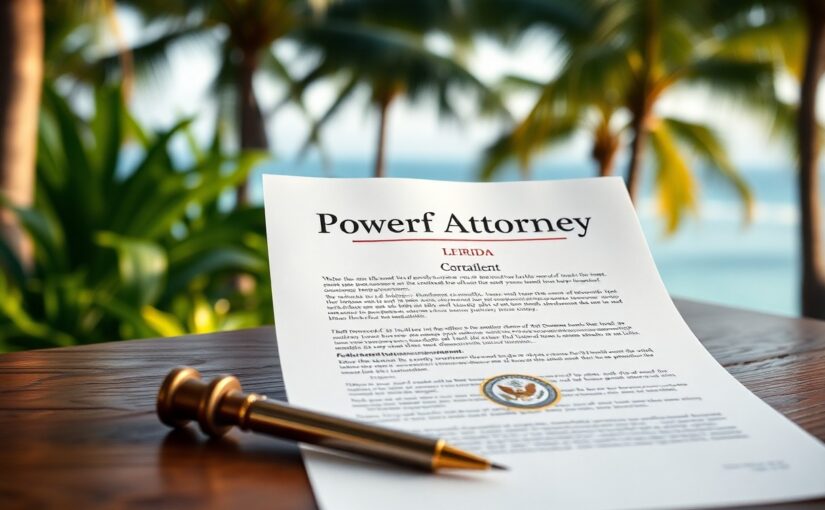
How Can You Ensure Your Power Of Attorney In Florida Is Irrefutable?

It’s imperative to understand how to create a Power of Attorney (POA) in Florida that can withstand legal scrutiny. By adhering to specific requirements and best practices, you can ensure that your POA is both valid and enforceable. This guide will walk you through the steps you need to take to fortify your document, from understanding the statutory language to ensuring proper execution and notarization. Follow these important considerations to safeguard your rights and those of your designated agent.

Key Legal Requirements for Power of Attorney in Florida

Creating a valid Power of Attorney in Florida requires adherence to specific legal standards which ensure that the document is enforceable. These requirements include the use of statutory language, proper signatures, and the inclusion of witnesses to validate the authority granted within the document. By following these guidelines, you can secure a solid foundation for your Power of Attorney.

Statutory Language that Validates Authority

Certain statutory phrases must be included within your Power of Attorney to ensure it is legally recognized. Florida law specifies that when drafting your document, you must clearly define the powers being granted to your agent using designated terms, which can prevent ambiguity over their scope of authority.

Necessary Signatures and Witnesses

Florida law mandates that both your signature and that of your agent must appear on the Power of Attorney document, along with signatures from two witnesses. These witnesses should not be related to either the principal or the agent and cannot be beneficiaries in your estate plan. Their presence lends credibility and strengthens the enforceability of the document.

Each witness must be present at the same time to observe the signing. Additionally, if you are unable to physically sign, you may have someone sign on your behalf in their presence and that of the witnesses. This process not only confirms your intent to grant power but also protects against potential disputes regarding capacity or coercion. By ensuring these signatures and witness requirements are met, you uphold the integrity of your Power of Attorney in Florida.

Avoiding Common Pitfalls in Power of Attorney Drafting

Drafting a Power of Attorney can be straightforward, but certain common mistakes can undermine its validity. Recognizing these pitfalls ensures your document remains effective and capable of serving its intended purpose. From misinterpretations of the powers granted to inadequate execution and notarization, being aware of potential issues allows you to create a durable Power of Attorney that stands up to scrutiny.

Misinterpretations of Powers Granted

Your Power of Attorney must clearly define the extent of the powers you are granting to your agent. Ambiguous language or vague descriptions can lead to misinterpretations, affecting your agent’s ability to act on your behalf. Clearly outlining financial, legal, or healthcare decisions will shield your intentions from potential challenges.

Ensuring Proper Execution and Notarization

Power of Attorney documents must be executed correctly to be legally binding in Florida. This includes signing the document in the presence of a notary and having witnesses present, as stipulated by Florida law. Failure to follow these requirements can result in the document being deemed invalid.

In Florida, the execution of a Power of Attorney requires that you sign the document in front of a notary public and at least two witnesses. The notary verifies your identity, while the witnesses confirm that you willingly executed the document without coercion. Skipping any of these steps can lead to legal disputes about the validity of the powers granted, potentially rendering your Power of Attorney useless when needed most. Ensure that you meticulously follow the state’s guidelines to avoid complications and promote clarity throughout the entire process.

Strengthening the Validity of Your Power of Attorney

To fortify your power of attorney in Florida, focus on ensuring it is compliant with state laws, clearly outlining the powers granted, and being executed properly. Taking the time to review and follow the Florida Statutes concerning powers of attorney will help avoid challenges later. Furthermore, consider notarization and witnessing requirements to enhance the document’s credibility and reduce the likelihood of disputes.

Choosing the Right Agent and Successor

Selecting a trustworthy and competent agent is one of the most significant steps in setting up your power of attorney. Choose someone who understands your wishes and can make decisions aligned with your values. Designating a successor is equally important; make sure they are willing and capable of stepping in if the primary agent is unavailable. This two-tier structure keeps your interests safeguarded even if unforeseen circumstances arise.

Incorporating Durable Provisions in Your Document

Incorporating durable provisions into your power of attorney guarantees the document remains effective even if you become incapacitated. For instance, explicitly stating that the authority persists despite any potential mental or physical debilitation ensures your agent can act in your best interest without interruption. This safeguard is particularly vital for long-term planning, allowing your agent to manage your affairs seamlessly during critical periods. Using specific language to reinforce the document’s durability not only solidifies its enforceability but also provides peace of mind knowing that your affairs will continue to be handled according to your preferences.

The Role of Different Types of Power of Attorney in Florida

Each type of power of attorney serves unique functions and purposes, making it crucial to understand your options. In Florida, you can designate authorities depending on your needs. The following table breaks down the various types of powers of attorney:

Type Description
Financial Power of Attorney Handles financial decisions and transactions on your behalf.
Healthcare Power of Attorney Makes medical decisions when you are unable to communicate your wishes.
Durable Power of Attorney Remains effective even if you become incapacitated.
Springing Power of Attorney Becomes active only upon a specific event, usually incapacitation.
Limited Power of Attorney Grants specific powers for a set period or particular tasks.

Recognizing the differences among these types can help you effectively choose which suits your situation best.

Financial Power of Attorney Versus Healthcare Power of Attorney

Financial powers of attorney focus on managing financial transactions and obligations, while healthcare powers of attorney address medical decisions. You can select a trusted individual for each type, ensuring that both your financial and healthcare wishes are upheld if you cannot make decisions yourself. Each type has distinct responsibilities, reflecting the importance of selecting the right person for each role.

How to Navigate Limited vs. General Authority

Understanding the distinction between limited and general authority allows you to tailor your power of attorney effectively. Limited authority grants your agent specific powers, making it suitable for defined situations, while general authority empowers them to handle a wider range of decisions. You’ll want to assess your needs and the level of trust in your selected agent when deciding on the appropriate level of authority.

When you’re navigating between limited and general authority, consider your comfort level and the complexity of your affairs. Limited authority can be advantageous if you want to restrict your agent’s power to defined tasks, like selling a property or managing a specific investment. Conversely, with general authority, your agent can take comprehensive control over your financial or health decisions, making them well-suited for ongoing needs. Carefully weigh your options to protect your interests while granting the necessary flexibility to your agent.

Proactive Steps for Maintaining Your Power of Attorney’s Effectiveness

Staying ahead of potential challenges to your power of attorney is imperative. By taking proactive steps, you can ensure that your document remains effective and respected. Regularly consulting with a legal expert can offer insights into any changes in Florida law that could impact your power of attorney. A non- attorney document preparer can assist you with understanding Why do you may not need a Real Estate Attorney in Florida? and help you navigate any complexities that arise.

Regular Reviews and Updates of Your Document

Schedule periodic reviews of your power of attorney to assess any necessary updates or modifications. Changes in your personal, financial, or medical circumstances may warrant an adjustment to the document. Life events such as marriage, divorce, or changes in financial status can all impact your needs and should be reflected in an updated power of attorney.

Communication with Your Agent and Financial Institutions

Establishing open lines of communication with your designated agent and financial institutions ensures everyone is on the same page regarding your power of attorney. Your agent should fully understand their responsibilities and any wishes you have concerning your affairs. Informing banks and other institutions about your power of attorney can help streamline any transactions or decisions that need to be made on your behalf.

Maintaining communication with your agent and financial institutions fosters trust and clarity. Regular discussions can help your agent grasp your preferences and decision-making style, equipping them to act effectively under your guidance. Informing key financial institutions about your power of attorney enables them to recognize its validity and take swift action should the need arise. This proactive approach mitigates potential conflicts and clarifies your intentions, ultimately enhancing the effectiveness of your designated agent.

Final Thoughts on Securing an Irrefutable Power of Attorney in Florida

Securing an irrefutable power of attorney in Florida hinges on meticulous planning and understanding of the legal nuances. Start by selecting a trustworthy agent who reflects your values and understands your wishes. Specify your intent clearly in the document and ensure you comply with Florida’s notarization and witness requirements. Regularly review your POA to account for any changes in your personal circumstances or Florida law. Consulting with a legal expert can also enhance your document’s strength, adding an extra layer of assurance that your wishes will be honored without ambiguity.

We offer expedient flat-fee solutions for preparation & execution of all types of Florida POAs. For immediate assistance give our agency a call at 321-283-6452!

What Rare Pitfalls Should You Avoid When Executing A Power Of Attorney In Florida?

Over time, executing a power of attorney in Florida can become complicated, leading to unexpected consequences if you’re not cautious. It’s vital to understand the common pitfalls that can undermine your intentions or leave you vulnerable. In this blog post, you will discover rare mistakes that you should actively avoid to ensure your power of attorney is executed properly and effectively, safeguarding your interests and directives.

The Critical Importance of Properly Executing a Power of Attorney

Executing a power of attorney correctly ensures that your wishes are honored when you can no longer make decisions for yourself. A properly executed document grants the designated agent the authority to manage your financial and health-related affairs, providing peace of mind for you and your loved ones. In Florida, adhering to the specific statutory requirements can prevent complications, ensuring that your intentions are carried out without legal hurdles.

The Role of a Power of Attorney in Florida

A power of attorney in Florida serves as a vital legal instrument that allows you to appoint someone you trust to act on your behalf. This may encompass managing finances, making healthcare decisions, or handling real estate transactions, depending on how you’ve structured the document. This delegated authority can be crucial in times of incapacity, as it allows your appointed agent to step in seamlessly without the need for court intervention.

Potential Consequences of Improper Execution

Failing to execute your power of attorney correctly can lead to significant repercussions, including the invalidation of the document. If executed improperly, your chosen agent may not have the authority to act on your behalf, potentially resulting in financial loss or inadequate healthcare decisions. Your loved ones could face mounting stress trying to navigate your affairs without legal legitimacy.

Improper execution could stem from minor oversights, such as forgetting to have the document notarized or failing to comply with witness requirements. For example, a case in Florida involved an individual who believed their power of attorney was valid after being signed in the presence of witnesses but failed to incorporate the necessary notarization. This oversight led to disputes and an eventual court battle over the individual’s assets, showcasing the importance of precise adherence to Florida’s power of attorney rules. Taking the time to ensure that all requirements are meticulously followed can save you and your family from these potential challenges.

Common Missteps That Can Void Your Power of Attorney

In Florida, there are specific missteps that can inadvertently invalidate your power of attorney. Being aware of these potential errors helps ensure that your legal documents serve their intended purpose effectively. For a more comprehensive overview, refer to Common Power of Attorney Mistakes You Can Avoid Making.

Overlooking Notarization Requirements

Notarization can be a pivotal step in validating your power of attorney in Florida. Any power of attorney executed must be signed in the presence of a notary public, and neglecting this requirement can render your document invalid. Ensure your notary is commissioned in Florida to prevent invalidation.

Failing to Clearly Define Powers Granted

Clearly outlining the specific powers granted to your agent avoids ambiguity and potential legal disputes. Vague language may lead to misunderstandings regarding the authority bestowed, causing complications when your agent acts on your behalf. Specify whether your agent has the ability to handle finances, make healthcare decisions, or manage real estate transactions.

Defining the powers granted in your power of attorney is imperative. In Florida, the law allows for general or limited powers, meaning you must detail each authority you wish to bestow clearly. For instance, stating “my agent can manage my retirement accounts” is more effective than simply allowing general financial responsibilities. This specificity not only expedites decision-making in critical moments but also minimizes the risk of disputes among family members or potential legal challenges concerning your agent’s authority. Be explicit to ensure your intentions are clearly understood by your agent and any third parties involved.

The Dangers of Inadequate Revocation Procedures

Inadequate revocation procedures can leave your power of attorney open to misuse or manipulation. If the existing agent continues to act under a power of attorney that you believe has been revoked, your interests could be compromised. Having clear, documented processes in place for revocation ensures that all parties involved understand the authority of your wishes and create a fail-safe against potential conflicts or disputes.

The Importance of Timely Revocation

Timely revocation of a power of attorney is crucial to prevent any unauthorized actions by an agent who no longer holds your trust or wishes to represent you. Delaying revocation can result in decisions being made on your behalf that do not align with your current desires, potentially impacting your financial and personal affairs without your consent.

How to Effectively Communicate Revocation

Effectively communicating your revocation involves notifying your agent directly, as well as any institutions or individuals that may rely on the power of attorney. This includes providing a written notice that states the revocation clearly and ensuring it is delivered in a manner that confirms receipt, such as certified mail. Furthermore, following up with each entity to verify the revocation has been acknowledged can prevent misinterpretations or unauthorized actions stemming from the original document.

Establishing a solid communication strategy also involves creating a new power of attorney document if you decide to appoint someone else. This new document should explicitly reference the previous power of attorney and state that it is revoked to avoid any confusion. Involving legal counsel during this transition can provide additional peace of mind, ensuring that your wishes are accurately conveyed and honored without ambiguity.

Choosing the Right Agent: More Crucial Than You Think

Selecting the right agent for your power of attorney is a decision that can significantly impact your financial and legal outcomes. An agent acts on your behalf during critical moments, making it important to choose someone you trust implicitly. This individual should not only be dependable but also capable of understanding complex decisions that may arise in your absence. Take the time to evaluate their qualifications and willingness to take on this significant responsibility, as their actions will reflect directly on your wishes and interests.

Traits of an Effective Decision-Maker

An effective decision-maker should possess a blend of qualities such as integrity, financial acumen, and emotional intelligence. They should be knowledgeable about your preferences, values, and long-term goals, ensuring that their decisions align with what you would want. Strong communication skills are equally important, allowing them to interact effectively with other parties, such as healthcare providers or financial institutions, when the need arises.

Avoiding Conflicts of Interest

Conflicts of interest can undermine your power of attorney by creating situations where the agent’s personal interests and your best interests diverge. Choosing someone who may benefit financially or emotionally from your decisions can lead to decisions that do not reflect your true intentions. It’s wise to assess any potential conflicts thoroughly before naming an agent, aiming for an individual who prioritizes your needs above their own.

For example, if a family member is named as your agent but stands to gain from your assets, their decisions may inadvertently serve their interests instead of yours. This scenario could lead them to sell your property at a discounted price or influence medical decisions contrary to your wishes. To avoid this, ensure that your agent not only has your best interests at heart but also understands the potential ethical dilemmas they may face. Assessing their character and past decision-making behavior can provide insight into their alignment with your values and intentions.

The Unseen Risks of Not Regularly Reviewing Your Power of Attorney

Failing to periodically review your power of attorney can lead to unintended discrepancies that may complicate decision-making during critical situations. Life changes such as marriages, divorces, or the birth of children can drastically affect your needs and preferences. It’s necessary to ensure that the individual designated as your agent aligns with your current wishes and that the powers granted are still relevant. Neglecting this can set the stage for potential conflicts or mismanagement that may undermine your original intentions.

Changes in Personal Circumstances

Your personal circumstances can evolve significantly over time, making it vital to adjust your power of attorney accordingly. For instance, if you experience a significant life event such as a marriage, divorce, or the death of a designated agent, these changes must be reflected in your legal documents to ensure your intentions are honored and the right individuals are empowered to act on your behalf.

Legislative Developments Affecting Powers of Attorney

Laws governing powers of attorney are not static; they can change as the legal landscape evolves. Legislative updates in Florida can introduce new requirements or modify current regulations surrounding the execution, enforcement, and revocation of these documents. Staying informed about these developments is necessary, as failure to comply with new regulations may jeopardize the validity of your power of attorney.

For example, recent changes in Florida law have mandated that powers of attorney include specific language or provisions to be recognized in certain contexts, such as healthcare decisions. Furthermore, statutory updates may also affect how agents can act or the types of decisions they can make on your behalf. If your document is not reviewed and updated to reflect these changes, you risk empowering individuals who may not fully understand their responsibilities or the legal boundaries of their authority. This lack of alignment may lead to disputes or a complete breakdown of your desired outcomes, causing distress during already challenging periods.

Final Words

Summing up, when executing a Power of Attorney in Florida, you need to steer clear of common pitfalls that could undermine your intent. Ensure you choose a reliable and trustworthy agent, clearly define the scope of their authority, and avoid any ambiguity in the document. It’s also vital to understand the requirements for notarization and witnesses, as failure to comply may invalidate your POA. By being diligent and educated, you can safeguard your interests and ensure your Power of Attorney serves its intended purpose effectively.

We offer expedient flat-fee solutions for preparation & execution of all types of Florida POAs. For immediate assistance give our agency a call at 321-283-6452!

Notaries Public – Legal Middlemen or Gatekeepers of Truth?

Many individuals underestimate the role of notaries public, often viewing them simply as legal middlemen. However, these professionals serve a critical function in validating documents and ensuring the authenticity of signatures, thus acting as gatekeepers of truth in legal matters. As you navigate various transactions that require notarization, it’s important to understand how notaries uphold trust and integrity in your affairs. This post will probe into their responsibilities and illustrate why their role is far more significant than you may realize.

The Role of Notaries Public: Balancing Legal and Ethical Obligations

Notaries public function at the intersection of legal duties and ethical responsibilities, serving both the party requiring notarization and the broader interests of justice. Your notary ensures that documents are executed with integrity, upholding the law while maintaining impartiality. Engaging with a notary fosters transparency and mitigates fraud, drawing a line between mere legal formalism and a commitment to ethical conduct.

Historical Evolution and the Modern Context

The role of notaries public has transitioned significantly from antiquity to the modern era. Originating in ancient Rome, notaries served to document legal transactions, expanding over centuries into various legal systems worldwide. In contemporary society, notaries have evolved to embody both an necessary public service and a profession with specific regulatory frameworks, adapting to technological changes while remaining true to their foundational purpose.

The Notary’s Function in Document Validation

As document validators, notaries public play an indispensable role in ensuring the authenticity and legitimacy of important paperwork. They verify the identity of the individuals involved, ascertain their willingness to sign without coercion, and witness the signing process. This act of notarization serves as a deterrent against fraud and offers a layer of protection against disputes related to the validity of the documents.

Your notary’s methodical validation process centers around rigorous checks. They may require photo identification to confirm identities, provide a signature and seal that denote their professional endorsement, and maintain detailed records of every transaction. In this way, notaries not only safeguard individual rights but also uphold the integrity of the legal system, offering a pivotal layer of confidence that your documents are legitimized correctly, which can be critical in legal disputes or financial transactions. That validation of your documents can often be the determining factor in their acceptance by courts, banks, and government agencies.

Gatekeepers of Authenticity: The Notary’s Impact on Legal Transactions

Notaries serve as the frontline defense against fraud, ensuring that all legal documents possess the integrity required for transactions to be upheld in courts. Your trust in notarized documents stems from the notary’s ability to thoroughly verify the identity of the parties involved and serve as a disinterested witness to the signing process, thus establishing the authenticity of the agreement made. Their seal represents not just formality but a commitment to uphold the truth in legal dealings.

Ensuring Fraud Prevention and Identity Verification

Identity theft and fraud are increasingly rampant, making the notary’s role in identity verification more significant than ever. You rely on the notary to scrutinize identification documents and confirm personal details, reducing the risk that fraudulent parties can exploit legal transactions. Their expertise in detecting signs of forgery or misrepresentation acts as a shield for you and other stakeholders, ensuring that the agreements you enter into are backed by authentic identities.

The Consequences of Inadequate Notarial Oversight

Lack of stringent notarial oversight can lead to severe repercussions, including legal disputes, financial losses, and compromised personal information. You might think that a simple notarization guarantees authenticity, but deficiencies in the process can result in invalid documents that are easily challenged in court. Cases of fraud, particularly those exploiting notary flaws, have led to substantial financial damages and shattered trust in the legal system.

For instance, a recent report highlighted a case where a notary failed to properly verify a signer’s identity, resulting in the fraudulent sale of a property. The unsuspecting buyer faced immense legal hurdles and financial loss as the transaction was deemed void. Such occurrences emphasize the importance of the notary’s meticulous adherence to protocol, as any lapse can result in chaos and unintended consequences for all parties involved. In an era where authenticity is paramount, notarial diligence is non-negotiable.

The Economics of Notarial Services: Understanding Costs and Value

Engaging a notary public involves direct costs, but understanding the value you receive for those expenses is equally important. Notaries act as legal middlemen, ensuring important documents are executed correctly, which can save you from costly legal disputes down the line. The fees you pay typically reflect the complexity of the transaction, the region, and the specific services provided. For example, a standard acknowledgment may cost less than a comprehensive affidavit, yet the benefits of having accurate and enforceable documents are often priceless.

Pricing Structures and Market Variability

Pricing for notarial services can vary significantly based on location and service complexity. In urban areas, rates may be higher due to increased demand and living costs, while rural notaries may offer lower rates. Additionally, some provide flat fees for standard services, while others may charge hourly rates for more intricate notarial tasks. Understanding these variations enables you to budget appropriately for your specific needs and may even empower you to shop around for competitive rates within your locality.

The Economic Impact of Notarial Errors

Errors made by notaries can result in substantial financial consequences. A single misstep can render a document void, leading to costly litigation or the loss of important rights. For instance, improper witnessing might invalidate a property deed, upsetting real estate transactions and leading to potential loss of thousands. These repercussions underscore the importance of selecting a qualified notary and the potential financial impact of their mistakes on your life.

Notarial errors can cascade into broader economic issues, creating inefficiencies across various sectors. For property buyers, incorrect notarization can delay closings, resulting in lost opportunities and increased costs. Businesses may face contractual disputes if agreements are improperly executed, possibly leading to litigation or damaged relationships. Moreover, you might incur penalty fees, court costs, and even reputational harm as you navigate the aftermath of a notarial mistake. The robustness of notarial practices significantly safeguards against such financial fallout, making a reliable notary worth the investment.

The Future of Notaries: Technology and the Changing Landscape

Technology is revolutionizing the notarial profession, shaping how notaries operate and interact with clients. As traditional practices evolve, you’ll find that digital solutions streamline processes, improve accessibility, and reduce costs. This shift not only enhances efficiency but also redefines the role of notaries, pushing them further into tech-savvy professionals in a rapidly changing legal landscape.

Digital Notarization and Its Implications

Digital notarization is transforming the method through which you authenticate documents. This process offers a secure, efficient alternative to traditional notarization, enabling you to complete transactions remotely. With online platforms offering e-notary services, accessibility increases significantly, catering to clients across geographical boundaries while maintaining legal validity.

How Blockchain Technology is Shaping Notarial Practices

Blockchain technology is setting new standards for secure notarization, providing an immutable record of transactions that enhances trustworthiness.

Through its decentralized nature, blockchain minimizes risks associated with fraud and identity theft in notarization. Each document notarized on a blockchain is timestamped and linked to a unique hash, ensuring transparency and verifiability. This immutable ledger empowers you with confidence that documents remain unaltered, and allows you to track document history effortlessly. Various jurisdictions are beginning to embrace blockchain solutions, as they streamline the notarization process while upholding legal integrity. As these advancements permeate the industry, you can expect a more secure, accessible notarial experience that meets the demands of today’s digital age.

The Ethical Dilemma: Navigating Conflicts of Interest

Every notary faces situations where personal interests may conflict with their duty to serve the public. This dilemma can arise in various contexts, such as notarizing documents for family members or close friends, creating potential biases in their assessments and actions. Ensuring impartiality while balancing relationships requires a keen awareness of ethical guidelines and strict adherence to regulations, as even the appearance of bias can undermine the trust placed in notarial services.

Notaries as Impartial Witnesses or Biased Agents?

Your perception of notaries hinges on their ability to remain impartial. However, when personal relationships intertwine with professional responsibilities, the risk of bias increases. The challenge lies in maintaining objectivity and properly executing duties while being aware of underlying connections to the parties involved. The vital role of notaries is to act as unbiased witnesses; thus, any actions that cast doubt on their neutrality should be scrutinized.

The Importance of Transparency and Accountability

Transparency and accountability form the backbone of the notarial profession, ensuring that the public can trust notaries to adhere to ethical standards. Open communication about potential conflicts of interest not only fosters trust but also empowers clients to make informed decisions about their engagement with notaries. Documenting process steps and establishing oversight mechanisms can further enhance accountability and safeguard against ethical breaches.

Establishing a culture of transparency involves notaries being forthcoming about any potential biases or external influences that could impact their objectivity. By openly discussing their assessment processes and the basis for their decisions, they can build trust with their clients. Accountability mechanisms, such as peer reviews or continuing education requirements, reinforce ethical behavior and ensure that all notaries uphold the integrity of their profession, ultimately protecting the public interest.

Final Words

Conclusively, as you navigate legal documents and transactions, understanding the role of Notaries Public as both legal middlemen and gatekeepers of truth becomes vital. Their function goes beyond mere certification; they help ensure that the processes you engage in are secure and trustworthy. By recognizing the importance of their duties, you can approach your legal matters with increased confidence, knowing that a reputable Notary is there to safeguard your interests and uphold the integrity of your agreements.

Reviving the Notary’s Role in the Modern Legal Landscape

Many people overlook the significance of the notary public in today’s legal framework, but their role is more relevant than ever. As you navigate various legal processes, understanding how notaries function can help you safeguard your interests and ensure the authenticity of critical documents. This blog post will explore the evolving responsibilities of notaries and how their services can adapt to modern challenges, providing you with insights to enhance your legal experiences.

You may not realize it, but the role of notaries is undergoing a significant transformation in today’s legal environment. As technology advances and legal processes evolve, understanding the notary’s responsibilities and the value they bring to your important documents is necessary. This blog post will explore how modern notaries can enhance trust, security, and efficiency in transactions, ensuring that your legal affairs are handled with care and professionalism. Equip yourself with the knowledge you need to navigate this evolving landscape effectively.

The Evolving Responsibilities of Notaries

As the legal landscape shifts, the responsibilities of notaries are also transforming to meet modern demands. The traditional role of verifying signatures and administering oaths is being augmented by technological advancements and the growing need for secure communications. Your notary now serves as a pivotal figure ensuring that documents are not only authentic but also effectively integrated into digital platforms, reflecting a deeper engagement with evolving legal processes.

Transition from Traditional to Digital Services

Notaries are increasingly adopting digital methods to streamline their services, facilitating online notarizations and electronic document management. By leveraging technology, you can save time and enhance security, allowing for remote notarization and verification processes that meet the needs of a mobile society. This transition supports more accessible legal transactions, especially vital during times when in-person meetings pose challenges.

Expanding Scope: Beyond Simple Signatures

The modern notary now plays a broader role that includes a variety of services such as document preparation, risk assessments, and even remote witnessing. You’ll find that these professionals are more than mere signers; they are imperative advisors ensuring compliance with complex regulations and facilitating transactions that require a higher degree of scrutiny.

Consider the evolution in areas like real estate transactions, where notaries are integral in creating trust and clarity among parties involved. For instance, they may assist in drafting documents that stipulate terms of an agreement or provide necessary education on local regulations. By engaging in diverse responsibilities, your notary not only enhances the efficiency of the legal process but also builds a bridge between traditional practices and modern-day needs, reshaping how legal interactions occur.

The Digital Disruption: How Technology is Transforming Notarization

Technology is reshaping notarization, creating new avenues for efficiency, accessibility, and security. Digital tools are streamlining the process, allowing for quicker document verification and reducing the need for physical presence. Notary services can now leverage blockchain technology, artificial intelligence, and secure cloud storage to enhance their operations, ensuring that the age-old practice of notarization adapts to the fast-paced demands of today’s legal environment.

The Rise of E-Notarization and Remote Online Notarization

E-notarization and remote online notarization (RON) have gained traction as legitimate options for executing documents without in-person meetings. You can now sign and notarize documents via secure video conferencing platforms, which ensures convenience while maintaining legal integrity. Many states have adopted legislation to recognize these practices, significantly expanding the notary’s reach and facilitating the notarization process in the ever-growing digital landscape.

Balancing Tradition and Innovation: Challenges Faced by Modern Notaries

Modern notaries face the delicate task of integrating new technologies without losing sight of their foundational duties. Balancing the traditional values of trust and authenticity with innovative practices creates challenges, particularly regarding privacy, regulatory compliance, and public trust. Notaries must navigate an evolving legal environment that often lags behind technological advancements while educating clients about the security and validity of digital notarization methods to ensure seamless transitions in their practices.

As a notary striving to incorporate modern technology into your workflow, addressing concerns about data security and maintaining client confidentiality is paramount. Regulatory bodies may impose varying requirements across jurisdictions, adding complexity to your responsibilities. Additionally, client apprehension toward digitally notarized documents can hamper adoption, necessitating your proactive communication about the benefits and reliability of e-notarization. Understanding these challenges enables you to effectively mesh time-honored practices with innovative solutions, enhancing your role in a rapidly evolving legal landscape.

The Technological Transformation of Notary Services

The integration of technology into notary services is reshaping how transactions occur and enhancing overall efficiency. Traditional methods, characterized by in-person signings and paper documents, are now evolving into digital solutions, allowing notaries to function in a more responsive, streamlined manner. You can expect increased accessibility and convenience as the utilization of electronic signatures and digital records becomes standard practice, making it simpler to authenticate documents from virtually anywhere.

Embracing Remote Online Notarization (RON)

Remote Online Notarization (RON) has emerged as a game changer in the notary profession, particularly as the demand for virtual transactions grows. You can participate in the notarization process through a secure video conference, ensuring authenticity while eliminating geographical constraints. This advancement not only caters to your busy lifestyle but also enhances the ease of completing legal transactions without having to be physically present, making it a vital option in today’s digital-centric world.

Cybersecurity Challenges and Solutions

While adopting technological advancements, notaries must navigate various cybersecurity challenges to ensure the integrity and confidentiality of sensitive documents. Safeguarding personal and financial information from data breaches and unauthorized access is paramount. Solutions such as implementing robust encryption protocols, regular security audits, and comprehensive training on phishing attacks are necessary steps you should consider to fortify your notary practice against cybersecurity threats.

The rise of cyber threats poses significant risks to the notary profession, particularly as more transactions shift online. Statistically, 30% of online businesses fall victim to cyberattacks each year, underscoring the importance of proactive security measures. Implementing advanced cybersecurity solutions, such as multi-factor authentication and secure data storage practices, is vital. Additionally, staying current with cybersecurity training ensures that you and your staff can identify and respond to potential threats effectively. By prioritizing cybersecurity, you can foster trust in your notary services while mitigating the risks associated with modern technology.

Legal Importance of Notaries: A Pillar of Trust

The integrity of legal transactions hinges on reliable verification, and this is where notaries shine as pillars of trust in the legal system. By providing an impartial witness to the signing of documents, you ensure that parties are who they claim to be and that they are signing without coercion. This fundamental function fosters confidence in legal documents, ultimately supporting the legitimacy of transactions and agreements. As society evolves, the role of notaries becomes even more significant in upholding the legal framework in which we operate.

The Role of Notaries in Fraud Prevention and Document Verification

Notaries play a key role in deterring fraud and verifying the authenticity of documents. Your presence during the signing process serves as a safeguard, utilizing identification checks to confirm the signer’s identity. Through thorough procedures, notaries help prevent forgeries and ensure that the documents uphold their intended legal validity. This layer of security is vital in reducing the risk of disputes that could arise from fraudulent activities, enhancing the overall integrity of the legal system.

Notarization and Its Impact on Legal Authenticity and Enforceability

Notarization significantly enhances the legal authenticity and enforceability of documents. When a document is notarized, it sends a clear signal that it has undergone a formal verification process, elevating its credibility in the eyes of courts and other legal entities. A notarized document is often seen as more reliable, bearing witness to the legitimacy of the transaction. This added level of assurance can be pivotal in legal disputes, as judges are likely to give greater weight to properly notarized evidence, bolstering the parties’ positions in case of any contention.

The Notary’s Contribution to Legal Integrity

Your understanding of legal processes is deepened by the existence of notaries, who serve as a vital link in ensuring the authenticity and integrity of documents. By verifying identities and witnessing signatures, notaries safeguard the validity of legal agreements, preventing potential disputes and misunderstandings. Their role is not merely ceremonial; it establishes a foundation of trust that supports the entire legal framework. Every time a notary affixes their seal, they bolster the credibility of the documentation, which is important in a world where legal challenges and compliance are ever-present.

Building Trust in an Era of Misinformation

The Role of Notaries in Fraud Prevention

Fraud can have devastating consequences for individuals and businesses alike, and notaries are on the front lines of defense. Through rigorous identity verification and careful document examination, they significantly reduce the likelihood of fraudulent activities. Every signature they validate and stamp they apply serves as a deterrent against deceitful practices, ultimately preserving not only the integrity of individual transactions but also the broader legal landscape.

Notaries employ a variety of methods to prevent fraud, including confirming signers’ identities through government-issued identification and maintaining meticulous records of their activities. For instance, if a notary encounters discrepancies or signs of coercion, they are obligated to refuse service, thus halting potential fraud in its tracks. Additionally, notaries in many jurisdictions are equipped with specialized training and tools, such as electronic verification systems, enhancing their ability to detect scams. In a complex legal environment where forgery and identity theft are increasingly common, your reliance on a notary’s expertise can be pivotal in ensuring your documents are legitimate and your interests safeguarded.

Real-World Applications: Revamping Notarial Practices

evolving landscape of notarial practices goes beyond mere document signing; it involves adopting innovative solutions that provide enhanced security and functionality. As you explore real-world applications, the emphasis is on tailoring services to meet the evolving needs of clients and industries alike. Through new tools and methods, notaries can streamline processes, protect identities, and prevent fraud, all while ensuring compliance with contemporary regulations.

Innovative Use Cases for Notaries in Different Sectors

Various sectors are harnessing the skills of notaries to address specific challenges. You can witness how real estate transactions are expedited through electronic notarization, minimizing delays in closing deals. In healthcare, notaries can authenticate patient consent forms, ensuring regulatory compliance while facilitating efficient processes. Furthermore, e-commerce platforms increasingly rely on notaries to verify identity and secure contracts, directly addressing the rise in online fraud.

Enhancing Accessibility: Notaries in Remote and Underserved Communities

Accessibility to notarial services can often be a barrier for individuals in remote or underserved areas. By deploying mobile notary services and utilizing technology, you contribute to breaking down these barriers. Innovative solutions, such as virtual notarization, ensure that people residing in isolated locations or low-income communities aren’t deprived of vital legal assistance.

This focus on accessibility is transforming the landscape for those without easy access to notaries. For instance, through mobile units, notaries can travel to rural neighborhoods, establishing regular pop-up events at local community centers. In areas where even basic legal services are hard to come by, this initiative empowers residents to complete legal documentation without needing to travel great distances. Additionally, the rise of remote notary services means individuals can schedule online appointments, providing flexibility that is crucial for working parents and those facing mobility challenges. As you support these initiatives, you are playing a vital role in ensuring that everyone has equal access to vital legal services, bridging the gap between communities and their legal needs.

Navigating Regulatory Changes and Compliance

Adapting to the ebb and flow of regulatory changes is vital for notaries who want to remain relevant in an advancing legal landscape. States are continuously revising laws that govern notary practices, often enhancing security measures and integrating new technologies. Keeping abreast of these changes not only protects your practice but also ensures you provide clients with the most accurate and compliant services possible. As you navigate this evolving framework, understanding state-specific requirements alongside overarching federal regulations will position you as a reliable resource within your legal community.

Adapting to State and Federal Legislation

Each state has its own set of rules governing notarial acts, which can vary widely. Federal legislation, while less common, can introduce additional layers of compliance for notaries. You may need to stay informed about the updates to the Uniform Electronic Transactions Act (UETA) or the Electronic Signatures in Global and National Commerce (ESIGN) Act, both of which have implications on how digital notarizations are performed. Regularly reviewing state legislative portals or joining state notary associations can keep you informed of crucial changes.

The Impact of International Notary Practices

The influence of international notary practices is gaining momentum as global commerce expands. Countries like Canada and various European nations maintain distinct notarial frameworks, emphasizing the need for cross-border recognition of notarial acts. This development demands that you understand international standards, such as the Hague Convention, which facilitates the authentication of documents across borders. As transactions increasingly involve parties from different jurisdictions, being knowledgeable about international practices broadens your service offerings, enhances client trust, and positions you as a valued partner in global dealings.

Specifically, the increasing interaction between international notarial practices emphasizes the significance of ensuring that documents prepared in one country are recognized in others. Countries vary in their rules, such as how seals are used or what constitutes a valid signature. Understanding these subtleties allows you to advise clients on necessary steps for legitimizing their documents abroad, potentially saving them time and hassle in the process. As you become familiar with international norms, your ability to assist clients in multinational transactions will distinguish your practice in a competitive landscape.

Building a Future-Ready Notary Workforce

Your decisions today lay the groundwork for a resilient notary workforce tomorrow. With the rise of technology, including electronic notary services and remote notarization, it’s crucial to cultivate a workforce that can adapt to these advancements. This involves not only embracing new tools but also fostering a culture of continuous learning among notaries, equipping them with the ability to navigate and thrive in this evolving legal landscape.

Training and Skill Development for the Modern Notary Landscape

Investing in training and skill development is key to ensuring that you are prepared to meet the demands of modern clients. Regular workshops and seminars on new regulations, technology, and ethical practices will enhance your expertise. Additionally, online courses can provide flexible options to expand your knowledge at your convenience, ultimately boosting your efficiency and credibility in the marketplace.

The Importance of Diversification and Specialization in Notary Services

Diversification and specialization in your notary services not only increase your appeal but also help you cater to specific client needs. By offering niche services such as mortgage signings, legal document preparation, or even services tailored for real estate transactions, you position yourself as an indispensable resource. This approach can lead to higher client satisfaction and loyalty, as specialized skills often translate to a deeper understanding of particular legal processes.

Emphasizing specialization allows you to carve out a niche in a crowded market. For example, some notaries have successfully cultivated expertise in areas like estate planning or international transactions, which often require a sophisticated understanding of legal nuances. This specialization can command premium fees and enhance your reputation within specific industries. Furthermore, diversifying your services, while maintaining a level of expertise, ensures that you attract a varied clientele and mitigate risks associated with economic fluctuations. Striving for depth in specialization, while remaining adaptable in your offerings, optimizes your chances of long-term success as a notary professional.

Empowering Notaries Through Education and Training

Equipping notaries with the right knowledge and skills is necessary for thriving in today’s diverse legal landscape. Access to educational programs tailored specifically for notary professionals fosters a deeper understanding of legal principles and the latest technologies. By investing in training, notaries can ensure they remain relevant, adapting to the requirements of a rapidly changing industry.

Essential Skills for the Modern Notary

Modern notaries must hone various necessary skills, including strong communication, attention to detail, and an understanding of electronic documents and notarization processes. Mastery of these skills enables you to navigate complex situations with confidence and provide high-quality service to clients. Emphasizing professionalism and ethical standards also enhances your credibility in the field.

Continuous Learning: Adapting to an Evolving Landscape

Adapting to changes in technology and regulations requires a commitment to continuous learning. You have the opportunity to participate in workshops, webinars, and online courses specifically designed for notaries. Engaging with industry associations and networking with peers can further expose you to best practices and innovations in the field.

Continuous learning is indispensable for notaries as they confront evolving legal requirements, enhancing their service offerings and ensuring compliance. For example, understanding the intricacies of electronic notarization, which surged in popularity during the pandemic, allows you to cater to clients who demand more convenient solutions. Regularly participating in ongoing education not only keeps you aware of the latest trends but enables you to implement new tools and best practices, ultimately helping you provide exemplary service and establish a competitive edge in the market.

The Vision Ahead: The Evolving Role of Notaries in Society

The landscape of notarial services is set for transformation as you embrace technological advancements and shifting societal needs. Notaries are increasingly becoming integral players in areas such as digital documentation, online notarization, and blockchain applications. This evolution is not merely about adapting to technology but also responding to a more informed society that demands transparency and security in transactions. Your role will continue to expand beyond traditional boundaries, positioning you as trusted advisors in a more digitized and complex legal environment.

Public Perception and the Value Proposition of Notaries

Your value as a notary goes beyond just witnessing signatures; it lies in instilling confidence and trust in legal processes. Public perception often misunderstands the full scope of your role, with many seeing it as a mere formality. By educating clients on how notaries safeguard interests and prevent fraud, you can enhance the appreciation for your services, reinforcing that you are necessary in verifying identity and ensuring the integrity of documents in an increasingly complex legal landscape.

A Call to Action: Advocating for a Sustainable Notarial Future

Advocacy for the notarial profession is necessary as you navigate ongoing changes in society and technology. Engaging in discussions with regulatory bodies, participating in professional organizations, and promoting legislative reforms can help secure your future. By championing modernized practices, such as online notarizations and streamlined processes, you ensure that your profession remains relevant and effectively meets the needs of the public.

With growing demand for efficient services, it’s time to push for legislative changes that support the integration of technology into notarial practices. You can engage with policymakers to promote digital identity verification and remote notarization options, which have proven effective during recent challenges. By taking these steps, you not only protect your profession but also enhance public trust, ensuring that you remain a vital part of the legal framework in a rapidly evolving society.

To wrap up

Ultimately, reviving the notary’s role in the modern legal landscape presents an opportunity for you to enhance the integrity and security of your transactions. By understanding the evolving responsibilities of notaries and embracing their importance, you can leverage their services to protect your interests and ensure the authenticity of critical documents. As you navigate the complexities of legal processes, recognizing the value of a notary can add a layer of confidence and professionalism to your dealings in today’s fast-paced environment.

Final Words

Summing up, as you navigate the increasingly digital and complex legal landscape, understanding the revitalized importance of notaries can significantly enhance your transactional security and trustworthiness. By recognizing their role in verifying identities and authenticating documents, you position yourself to better protect your interests. Embracing the notary’s function not only benefits you but also fosters a more reliable legal environment for everyone involved. As you engage with legal processes, consider how reinvigorating this profession can bolster your confidence and efficacy in handling important agreements.

The Legacy and Future of the Notary Profession

There’s a rich history behind the notary profession that has evolved significantly over the years. As you explore the legacy of notaries, you will uncover how their role has adapted to meet the demands of modern society while preserving the integrity of legal transactions. This blog post will guide you through the historical milestones of notaries, their current relevance in a digital world, and what the future holds for this necessary profession. Join us as you explore into the enduring significance of notaries in safeguarding your interests and fostering trust in legal agreements.

The Historical Backbone of Notarization

Understanding the historical context of notarization enriches your appreciation for its continued relevance. From ancient civilizations to modern legal systems, notaries have acted as trusted intermediaries. Their roles were necessary in authenticating documents and preserving the integrity of transactions, forming the backbone of legal practices across cultures and epochs.

The Origins: Notaries Through the Ages

Notaries trace their roots back to ancient Egypt, where scribes recorded transactions on papyrus. As societies evolved, so did the need for formal documentation. In ancient Rome, the role of the notary began to take shape, as officials known as “notarii” verified contracts and wills, ensuring their authenticity and acceptance in legal matters.

Evolution of Responsibilities and Legal Standing

Over centuries, the responsibilities and legal standing of notaries transformed significantly. Initially, their functions were limited to verifying signatures and documents. As the complexity of societal transactions grew, so too did their duties. Today, notaries are empowered to administer oaths, certify copies of documents, and perform a range of functions that contribute to the legal system’s integrity, making their role indispensable in contemporary society.

This evolution reflects notaries’ adaptability to changing legal landscapes and societal needs. In many jurisdictions, their authority has expanded to include handling real estate closings, witnessing the signing of sensitive documents, and even facilitating international agreements. Beyond mere transaction verification, notaries now carry an necessary weight in safeguarding both parties’ interests, ensuring compliance with legal standards, and mitigating fraud across various settings, from personal affairs to corporate dealings. Their enhanced responsibilities underscore a commitment to maintaining orderly and just processes in an increasingly complex world.

The Mechanics of Modern Notarization

The notary profession has seen rapid evolution, particularly with the adoption of advanced technologies that streamline processes and enhance security. Today, digital notarization is becoming a standard alongside traditional methods, allowing remote access and real-time verification. You can easily leverage these modern tools to ensure compliance while serving clients efficiently. As the profession continues to embrace these changes, understanding the mechanics behind modern notarization could significantly shape your practice.

The Role of Technology in Notary Practices

Technological innovations have transformed notary practices, enabling secure digital identity verification and electronic document signing. You benefit from tools like remote online notarization (RON), which enhances security and convenience in transactions, allowing clients to access your services from anywhere. Digital platforms not only facilitate real-time collaboration but also streamline the storage and retrieval of notarized documents, significantly reducing the potential for errors.

Understanding the Notary’s Function in Contemporary Transactions

Your role as a notary adjusts to meet the demands of a fast-paced, digital world where transactions often occur online. In contemporary settings, you facilitate trust by authenticating identities, verifying signatures, and ensuring that all parties understand the documents involved. This adaptability allows you to be a crucial component in preventing fraud and maintaining the integrity of legal agreements. Whether it’s a financial transaction, property deed, or personal agreement, your signature ensures that the process runs smoothly and legally, making you indispensable in modern transactions.

To navigate contemporary transactions effectively, consider how the notary’s function has expanded. You now engage in complex scenarios involving remote signings, where verifying identity requires advanced tools such as video conferencing and ID scanning. By leveraging your knowledge of technology and maintaining thorough records of each transaction, you not only fulfill your obligations but also build trust with clients. This expansion of responsibility means you play a more significant role in the legal and financial landscape, enhancing your value as a professional in the industry.

The Ethical Framework Guiding Notaries

The ethical framework guiding notaries is built on principles designed to uphold the integrity of the profession. This framework encompasses standards for confidentiality, impartiality, and professionalism, ensuring that notaries perform their duties with respect for the law and the trust bestowed upon them by clients. By adhering to these ethical guidelines, notaries not only protect themselves from liabilities but also contribute to the overall credibility and reliability of the notarization process.

Balancing Confidentiality and Transparency

Striking a balance between confidentiality and transparency is a vital part of a notary’s ethical responsibility. While ensuring that the parties involved can trust that their private information will be protected, you must also maintain transparency in your processes. This balance fosters trust in the notary system and reassures clients that their interests are safeguarded without sacrificing the integrity of the notarization itself.

Understanding Impartiality in Notary Services

Impartiality is a cornerstone of notary services, ensuring that you act without bias or favoritism toward any party involved. You have a duty to remain neutral, which means not allowing personal relationships or interests to influence your actions during the notarization process. This principle reinforces the legitimacy of your role, allowing all parties to have confidence in the notarized documents you produce, leading to smoother transactions and reduced disputes.

To grasp the significance of impartiality, consider scenarios where a notary must navigate complex relationships. For example, if you are asked to notarize a document involving friends or family, maintaining a neutral stance can be challenging. However, prioritizing impartiality ensures that no party feels disadvantaged, and it underscores your commitment to fairness. Upholding this principle not only protects you from allegations of misconduct but also solidifies your reputation in the community, fostering an environment where crucial agreements can be trusted and respected.

Challenges Faced by the Notary Profession Today

The notary profession confronts numerous hurdles in an evolving landscape, with a growing demand for efficiency and flexibility. Issues such as obsolete regulations, competition from alternative services, and the need for continuous education create an intricate web of challenges. As technology advances, you may find yourself navigating a complex environment that strains traditional practices and requires adaptation to stay relevant in your role as a notary.

Navigating Legal Variations Across Jurisdictions

As a notary, you likely encounter a maze of varying laws and regulations in different states or countries. Each jurisdiction has unique requirements for notarization processes, and keeping track of these differences can be overwhelming. You may need to regularly consult local statutes or engage in ongoing training to ensure compliance and avoid potential legal pitfalls that could arise from oversight.

The Impact of Digital Signatures and Remote Notarization

The rise of digital signatures and remote notarization is transforming how you execute your duties. The convenience of these technologies allows for quicker transactions and broader access to notary services, yet they introduce new challenges regarding security and authentication. Adapting to these innovations is crucial to stay competitive while ensuring the integrity of your work.

Digital signatures and remote notarization have revolutionized the notary profession by streamlining processes and expanding your client base. For instance, during the COVID-19 pandemic, remote notarizations surged in popularity, with numerous states enacting temporary laws to permit such practices. This new flexibility allows you to assist clients regardless of geographic barriers, but it also heightens the risk of fraudulent activities. Ensuring proper verification methods and security protocols becomes crucial in mitigating these risks, requiring you to stay informed about technological advancements and compliance guidelines to protect both you and your clients effectively.

Envisioning the Future: Opportunities and Innovations

The notary profession is on the verge of significant transformation, driven by advancements in technology and changing market dynamics. You have the opportunity to leverage these innovations to enhance your service delivery, streamline operations, and expand your reach. With the rise of digital tools, remote notarization, and evolving client expectations, the future promises a blend of traditional practices and modern efficiencies that can redefine notarial work.

The Potential of Artificial Intelligence in Notarization

Artificial intelligence is emerging as a game-changer in the notarization process. You can utilize AI-driven tools for document verification, identity authentication, and workflow automation, helping to reduce errors and improve efficiency. Machine learning algorithms can analyze patterns to detect fraudulent activities, making the notarization process more secure and reliable.

The Growing Demand for Notary Services in a Globalized Economy

Globalization is driving an unprecedented need for notary services. As businesses expand across borders, individuals often require notarized documents for international transactions, legal agreements, and real estate deals. For instance, a rise in cross-border legal disputes necessitates the involvement of notaries in document validation, ensuring compliance with varying jurisdictional requirements.

In our interconnected world, the demand for qualified notary professionals is increasing rapidly. You may find that more families moving with jobs abroad require notarized powers of attorney or visa applications. Likewise, multinational corporations often need certified documents for mergers, foreign investments, and litigation. This growing landscape opens a wealth of opportunities for you to create lasting partnerships and extend your services to a broader clientele in need of reliable, knowledgeable notary professionals. Understanding the varied needs of your marketplace will position you to capitalize on this trend and thrive in a changing industry environment.

To wrap up

Considering all points, the notary profession holds a rich legacy while evolving to meet the demands of a digital future. As you navigate the complexities of legal documents and transactions, understanding the importance of notaries will enhance your ability to safeguard your interests. With technological advancements shaping the industry, you can expect continued growth in the role of notaries, making them invaluable in an increasingly interconnected world. Embracing these changes will empower you to make informed decisions as you engage in legal matters now and in the years to come.

The Legal Profession’s Unsung Hero – The Notary Public

Hero of the legal landscape, the Notary Public plays a vital role that often goes unnoticed. As you navigate legal documents and transactions, the notary serves as an impartial witness, ensuring authenticity and compliance with the law. By understanding the functions and significance of notaries, you gain insight into their important contribution to legal integrity and public trust. This blog post will illuminate the various responsibilities of these dedicated professionals and highlight their importance in your everyday legal dealings.

The Essential Role of Notaries in Modern Transactions

The involvement of notaries in transactions today is more relevant than ever. You encounter them when executing legal documents, such as property deeds, contracts, and estate planning papers. Their keen eye for detail and thorough understanding of legal requirements ensure that these documents not only meet specific legal standards but are also protected against future disputes. With the rapid rise in online transactions, the necessity for notaries continues to grow, impacting your everyday dealings in profound ways.

Securing Legal Integrity in Documents

Your confidence in legal documents often stems from their notarized status. Notaries authenticate the identities of signers and verify that they are entering agreements willingly and without coercion. This acts as a safeguard for you against potential legal challenges. The mere presence of a notary lends credibility to documents, establishing a verified chain of trust and ensuring compliance with applicable laws.

Curbing Fraud and Misrepresentation

Fraud and misrepresentation pose significant threats to the integrity of legal transactions. Through rigorous identity verification and the signing process, notaries serve as a bulwark against these dishonest practices. They require you to present valid identification and confirm that you understand the implications of the documents you are signing. This simple yet effective step helps prevent forgeries and unauthorized transactions, protecting you from scams that might otherwise go undetected.

By placing an emphasis on identity confirmation and informed consent, notaries fulfill a pivotal role in curbing fraud. For instance, in cases where parties may attempt to misrepresent themselves or their intentions, notaries hold the power to reject fraudulent claims. A notary’s diligence can uncover inconsistencies that may suggest foul play, thus acting as the first line of defense in ensuring that what you sign reflects the true intentions of all parties involved. This layer of security not only upholds the integrity of individual transactions but also fosters trust in the larger legal framework.

Beyond Signatures: The Multifaceted Duties of Notary Publics

Notary publics serve as vital agents in a wide range of legal and transactional scenarios, extending far beyond merely witnessing signatures. They ensure that documents are signed voluntarily and that the signers are who they claim to be. In addition, you can rely on notaries for administering oaths, verifying identities, and even performing marriage ceremonies in specific jurisdictions. Their role as impartial witnesses helps prevent fraud and protects the integrity of the documents involved, making them fundamental to maintaining trust in various agreements and procedures.

Witnessing to Authentication: More Than Just a Stamp

Your notary public provides authentication by verifying identities, ensuring all parties comprehend the document, and affixing their official seal. This process acts as a safeguard against fraudulent practices and upholds the document’s legality. By checking and confirming a signer’s ID, the notary prevents issues that could arise from identity theft or erroneous agreements. With just a stamp, a notary can add significant weight to your documents, making them legally binding and trustworthy in a court of law or during important transactions.

The Transition from Traditional to Digital Notarization

The legal landscape is evolving, with digital notarization gaining traction alongside traditional methods. This transition offers greater accessibility, speeding up processes that previously required in-person visits. Now, you can arrange virtual notarizations using secure platforms that verify identities through advanced technologies, such as video calls and electronic signatures. This shift not only meets the increasing demand for convenience but also accommodates busy schedules, allowing for timely executions of critical documents without geographical constraints.

The digital notarization trend has gained momentum, especially in light of recent global events pushing for remote solutions. Enhanced by encryption and security protocols, online notarization is now considered equally legitimate in many jurisdictions. States like California and Florida have enacted laws to enable this practice, allowing you to connect with a notary from your home or office. As this method continues to gain acceptance, this shift highlights notaries’ adaptability and commitment to meeting changing demands in an ever-evolving legal environment.

The Notary’s Code: Ethical Standards and Responsibilities

Adhering to a strong ethical code, notaries public uphold standards designed to maintain the integrity of their practice. This code encompasses responsibilities such as ensuring accuracy in documentation, maintaining impartiality in transactions, and safeguarding the confidentiality of sensitive information. By committing to these principles, notaries foster trust and reliability in their roles, ensuring that the documents they notarize reflect authenticity and integrity. Their adherence to these ethical protocols not only protects clients but also enhances the overall credibility of the legal profession.

Upholding Impartiality and Confidentiality

Impartiality and confidentiality are cornerstones of notarial practice. You must remain neutral, providing equal service to all parties involved, regardless of personal connections or bias. Confidentiality extends to all information obtained during the notarization process, protecting your clients’ privacy and ensuring that sensitive details are never disclosed without consent. Upholding these values strengthens the relationship between you, your clients, and the wider legal system.

Navigating Conflicts of Interest in Notarial Practice

Conflicts of interest can arise in notarial work, particularly when personal relationships intersect with professional duties. You need to be vigilant and recognize situations where your objectivity may be compromised. In instances where a conflict is detected, the best practice is to decline the notarization to ensure the integrity of the transaction. This protects not only your reputation but also the validity of the documents you handle.

In navigating conflicts of interest, you should establish clear policies and procedures for identifying and addressing potential issues before they escalate. Awareness plays a key role; for example, if a family member requests notarization for a property deal in which you have a financial interest, your obligation is to step aside. Maintaining transparency with clients regarding your limitations not only safeguards your integrity but also fortifies public confidence in the notarial process, crucial in sensitive dealings.

The Growing Demand for Notarial Services in a Globalized World

The demand for notarial services is surging as globalization continues to reshape how businesses operate and individuals connect across borders. This evolving landscape emphasizes the importance of certified documentation, which ensures the authenticity of transactions and contracts in a diverse marketplace. As your business expands internationally or as you pursue personal endeavors abroad, the role of notaries becomes increasingly vital in safeguarding your interests and facilitating smooth transactions.

How Global Commerce Fuels the Need for Notaries

In today’s interconnected economy, international business agreements often require notarized documents to meet varying legal regulations across jurisdictions. Whether you’re exporting goods or securing contracts with overseas partners, notaries serve as trusted figures who authenticate documents, preventing disputes and fraud while bolstering your credibility in global dealings.

The Rise of Remote Notarization: Trends and Technologies

Remote notarization has rapidly become a significant trend, driven by advances in technology and the increasing necessity for convenience and efficiency. Companies and individuals alike are embracing virtual platforms that allow you to interact with notaries from the comfort of your home or office, utilizing secure video calls and digital signatures to complete transactions. This shift not only streamlines processes but also expands access to notarial services, making them available to a broader audience.

As remote notarization gains traction, platforms such as Notarize and DocuSign provide innovative solutions that connect you with licensed notaries online. These technologies employ multifactor authentication and encryption to ensure security and compliance with state laws. Some states even allow electronic notarizations to hold equal legal weight as traditional methods, underscoring the potential for remote services to reshape the notarial landscape. This evolution not only caters to the demands of a busy population but also allows those in underserved areas to access vital notarial support, ultimately democratizing a once niche service.

The Path to Becoming a Notary: Education and Certification

Embarking on a career as a notary public involves understanding the unique educational and certification pathways available to you. Each state lays out its own requirements, typically necessitating an application process, a background check, and sometimes a written exam. Familiarizing yourself with local regulations and engaging in training programs will provide you with foundational knowledge, ensuring you’re well-prepared to carry out the responsibilities entrusted to you as a notary.

Essential Training and Certification Requirements

To become a notary public, you must first complete the required training specific to your state’s regulations. This may include online courses or in-person classes covering notarial acts, legal compliance, and ethics. Upon completing your training, you typically submit an application to your state’s commissioning authority, along with any necessary fees and a background check. Once your application is approved, you’ll receive your notary commission, allowing you to start practicing.

Opportunities for Specialization within the Notarial Field

Specializing within the notarial field not only heightens your marketability but can also significantly enhance your service offerings. As a notary public, you can explore into areas such as remote online notarization, which has gained traction in recent years, or focus on specialized fields like real estate or legal documents. Additionally, becoming familiar with international notarization can expand your client base and provide valuable insights for individuals dealing with foreign transactions.

Diving deeper into specialization, numerous avenues stand before you. Notaries can focus on specific sectors such as healthcare, where the demand for notarized documents related to advanced directives or power of attorney is growing. By developing expertise in niche areas, you become an invaluable resource in complex transactions, such as mergers and acquisitions or immigration processes. In today’s digital landscape, gaining proficiency in online notarization opens doors, allowing you to cater to clients seeking convenience and security, enhancing your professional reach and impact.

Summing up

Hence, as you navigate the complexities of legal transactions, recognizing the vital role of the notary public can enhance your understanding of the legal profession. This often-overlooked figure serves as a safeguard for your interests, ensuring that agreements are valid and trustworthy. By utilizing their services, you can protect yourself from potential disputes and enhance the integrity of your documents. Embracing the notary’s expertise can empower you in your legal endeavors and affirm the importance of their contributions to a smooth and reliable legal process.

What Is a Notary Public and Why Their Role Still Matters Globally

You may find yourself needing the services of a notary public at various stages in your life, whether it’s for signing a contract, validating an agreement, or authenticating important documents. A notary public plays a vital role in preventing fraud and ensuring the integrity of your legal transactions. Despite the advancement of digital signatures and electronic documents, the traditional notary public offers a level of trust and verification that maintains its importance in a global context. Understanding their role can significantly benefit you in navigating legal and administrative processes with confidence.

The Integral Role of Notaries in Legal Systems

Notaries are vital custodians of integrity within legal systems worldwide. They serve as impartial witnesses to important documents and actions, ensuring that transactions are conducted fairly. This role transcends borders, as notaries facilitate international commerce and agreements by providing a universal standard of validation that is recognized across many jurisdictions. Their work not only upholds the law but also builds trust among parties who might otherwise not have established confidence in one another.

Historical Context: The Evolution of Notarial Services

Tracing back to ancient Rome, notarial services began as a means to document contracts and legal agreements. Over centuries, as societies evolved, so did the role of notaries. By the Middle Ages, notaries emerged as vital figures in the administration of justice and record-keeping, ensuring that legal transactions had verifiable proof. This historical evolution reflects a growing necessity for impartial witnesses in commercial and legal transactions, establishing notaries as a foundational component of modern legal infrastructure.

Essential Functions: Verification, Authentication, and Civil Integrity

Notaries provide critical functions through the verification and authentication of documents, which upholds civil integrity. By confirming the identity of signers and ensuring they are acting voluntarily, notaries help prevent fraud. Their involvement lends legitimacy to contracts, wills, powers of attorney, and other substantial legal documents, ensuring that all parties adhere to the stipulations agreed upon. Such safeguards promote the reliable functioning of legal and economic systems.

Verification of identities and intentions serves as a defense against impersonation and misunderstandings. Notaries conduct due diligence, often requiring photo identification and personal presence to complete an act. This process adds layers of accountability that protect individuals and businesses alike. When disputes arise, the presence of a notary can provide evidence of intent and agreement, mitigating confusion. Thus, notaries not only reinforce the authenticity of legal documents but also fortify public confidence in the integrity of transactions across diverse sectors.

The Diverse Applications of Notarial Services in a Globalized World

Notarial services extend far beyond simple witness signatures; they play a vital role in a variety of global applications. From facilitating international trade agreements to authenticating business documents for cross-border ventures, notaries are vital intermediaries who ensure the integrity and legality of transactions. Their expertise lends credibility to agreements, helping individuals and businesses navigate complex international laws and regulations. In an increasingly interconnected world, the demand for reliable notarial services continues to grow, highlighting their enduring relevance in your everyday life.

Cross-Border Transactions: Securing International Agreements

When entering into cross-border transactions, you face a multitude of legal frameworks and regulatory requirements. Notaries help mitigate these challenges by authenticating documents and verifying identities, which adds a layer of security to international agreements. Their involvement instills confidence that the terms will be honored and that both parties are acting within their respective legal boundaries, significantly reducing the risk of fraud.

Real Estate Transactions: Ensuring Trust and Accountability

In real estate transactions, the role of a notary public is indispensable. They provide an impartial verification process that enhances trust and accountability for all parties involved. You might find that a notary’s certification not only assures that documents are legitimate but also helps establish a clear chain of ownership and responsibility. This minimizes disputes and creates a safer environment for buyers, sellers, and lenders alike.

Trust is paramount in real estate dealings, especially when significant financial investments are on the line. By carefully reviewing contracts, notarizing property transfers, and ensuring compliance with local regulations, notaries protect your interests. Additionally, their ability to verify the identities of all parties reduces the potential for fraud. With the complexities often encountered in property deals—such as zoning laws or title searches—enlisting a seasoned notary adds an expert layer of oversight that supports transparent and accountable transactions, keeping you informed every step of the way.

The Digital Shift: Notaries in the Age of Technology

The rise of technology has transformed many traditional professions, with notaries adapting to the digital realm as well. From e-notarization to online platforms, notaries are leveraging innovative tools to enhance their services and reach a broader audience. In a globally connected world, maintaining the integrity and trustworthiness of notarial services remains paramount, prompting an evolution in how these services are delivered. As digital interactions become commonplace, your understanding of the impact of technology on notarial services has never been more crucial.

E-Notarization and Its Impact on Efficiency

E-notarization allows notaries to perform their duties remotely, which significantly improves efficiency and convenience for clients. With digital signatures and electronic documents, transactions that once required in-person meetings can now be completed online, saving time and resources. This shift is particularly beneficial in a globalized environment where clients from various locations require prompt and reliable notarial services.

Challenges and Opportunities in a Digital Era

While the digital shift presents numerous opportunities for notaries, it also introduces challenges that necessitate adaptation and vigilance. Protecting against fraud, ensuring compliance with varying regulations, and maintaining client confidentiality are all critical considerations. On the other hand, embracing technology can enhance accessibility to notarial services and streamline processes, ultimately benefiting both notaries and their clients.

As notaries step into the digital age, they face the challenge of navigating diverse regulations that vary by jurisdiction. For instance, while some states have embraced e-notarization wholeheartedly, others remain hesitant, creating a patchwork of legal landscapes. This uncertainty can hinder notaries from fully integrating technology into their practice. However, opportunities abound in the form of innovative tools and platforms that simplify the notarization process. By harnessing these technologies, notaries can extend their services to remote clients and cater to a rapidly evolving market. Continuous education and adaptation will be crucial for notaries to thrive amidst these changes, ensuring they uphold the trust placed in their profession while capitalizing on technological advancements.

The Ethical Implications of Notarial Duties

Notaries hold a position of trust, and their adherence to ethical standards is paramount. By providing unbiased services, they uphold the integrity of documents and transactions. This trust transcends borders, impacting not only individual cases but also the overall perception of legal systems worldwide. Ethical conduct ensures that notaries contribute positively to public confidence, maintaining a moral framework that safeguards the rights of all parties involved.

Upholding Confidentiality and Neutrality

You expect your notary to protect the confidentiality of your sensitive information while maintaining impartiality in all dealings. This commitment to neutrality ensures that no party is favored, fostering trust in the notarial process. By adhering to these ethical standards, notaries fortify the safeguards surrounding legal transactions, allowing individuals and businesses alike to engage confidently in their affairs.

Consequences of Inadequate Notarial Practices

Inadequate notarial practices can lead to a cascade of harmful effects, including legal disputes, financial losses, and diminished public trust in legal systems. A poorly executed notarization may invalidate vital documents, resulting in significant repercussions for individuals and businesses, such as denied loans or failed contracts. The resulting complications highlight the necessity for rigorous adherence to notarial protocols and procedures.

When notaries fail to uphold the standards of their profession, the fallout can be severe. Take, for example, a case where an improperly notarized property deed led to a land ownership dispute, causing extensive legal battles between opposing parties. This not only incurs financial costs but also tarnishes the reputation of the notarial profession. Vigilance in notarial duties is non-negotiable; as a notary, any lapse in judgment or practice can ripple through your community, eroding trust and promoting skepticism towards legal authentication. Whether it’s ensuring accurate identity verification or meticulous documentation, every detail is vital in fostering reliable and ethical notarial services.

Navigating the Path Forward: The Future of Notaries

The future of notaries is poised for transformation as they adapt to the evolving legal landscape and advancements in technology. As digitalization accelerates, the profession is set to integrate new practices that enhance service efficiency while preserving ethical standards. Your understanding of these changes will be necessary as notaries continue to play a vital role across various sectors.

Rising Demand: Trends Fueling the Need for Notaries

In an increasingly interconnected world, the need for notaries has surged across financial, legal, and real estate sectors. Reports indicate that as global transactions rise, so does the demand for authenticating documents and ensuring legal compliance, making notarial services indispensable in facilitating trust and security in international dealings.

Innovations and Reforms: Shaping the Profession for Tomorrow

Technological advancements are revolutionizing the notarial profession, from electronic notarization to remote online notarization (RON). These innovations not only increase accessibility but also offer enhanced security features, such as blockchain technology for tamper-proofing documents. As regulations evolve to accommodate these changes, the profession is likely to see reforms that streamline processes without compromising integrity.

Remote online notarization has gained popularity, especially since the COVID-19 pandemic, allowing notaries to authenticate documents via secure video conferencing. This method eliminates geographical barriers, making it easier for you to access notary services regardless of your location. Furthermore, innovations like secure digital signatures and identity verification tools are increasing accuracy and decreasing the potential for fraud. With various states in the U.S. and countries worldwide implementing legislation to formalize these practices, the evolution of notarial services is expected to feature prominently in the legal and business frameworks of the future.

Conclusion

Hence, understanding the role of a notary public is necessary for you, as their services provide validation and security in various transactions. No matter where you are in the world, notaries help protect you against fraud and ensure that your documents are properly executed. By recognizing their importance in preserving the integrity of legal agreements and facilitating smoother transactions, you can appreciate why notarial services remain relevant in today’s global landscape.