A Mobile Notary Guide To Acknowledgements, Oaths, Jurats, & Affirmations

Many mobile notaries find that understanding the distinctions between acknowledgements, oaths, jurats, and affirmations is necessary for accurate and professional notarization. This guide will help you navigate these key concepts with clarity, ensuring your services meet legal requirements and client expectations. By mastering these elements, you can confidently perform notarizations and provide valuable support wherever your mobile notary duties take you.

The Essential Role of Acknowledgements in Legal Processes

Acknowledgements serve as a cornerstone in validating the authenticity of signed documents, ensuring that signatures arise from the signer’s free will. This step protects all parties involved by deterring fraud and providing a clear record that the signer has personally appeared before you. In real estate closings, loan documents, and wills, your role in securing acknowledgements not only confirms identity but also instills confidence throughout the legal system.

Defining Acknowledgements: What They Are and Why They Matter

Acknowledgements involve the signer affirming before you that they willingly signed the document for its intended purpose. This process is distinct from taking an oath or jurat, focusing solely on voluntary execution rather than testimony. You ensure the signer is competent, voluntarily participating, and understands the document’s significance, creating a legal safeguard against disputes regarding the legitimacy of the signature.

Step-by-Step Guide to Executing Proper Acknowledgements

Begin by verifying identification through government-issued IDs, matching the signer’s name precisely. Then, confirm their understanding and willingness to sign without coercion. You ask the signer to acknowledge that the signature on the document is theirs and done voluntarily. Finally, complete the notarial certificate with your signature, seal, and relevant jurisdiction and date details, ensuring all elements align with state-specific requirements.

To better navigate this process, consult the table below summarizing vital steps and tips:

Step-by-Step Acknowledgement Execution

Step Description
Identification Verify government-issued photo ID and match name exactly
Voluntary Statement Confirm the signer understands the document and signs willingly
Acknowledgement Obtain verbal confirmation that signature is genuine and voluntary
Complete Certificate Sign, date, and affix your notary seal following local laws

Executing acknowledgements requires attentiveness to both procedural details and human factors. When you verify identities, assess the signer’s willingness, and apply your official seal, you reinforce the legal strength of the document. Additionally, keeping thorough records of the transaction enhances transparency and traceability, reinforcing your reliability as a mobile notary.

Demystifying Oaths: The Backbone of Truthfulness in Documentation

Oaths serve as a solemn declaration of truth, underscoring the integrity of statements within notarized documents. By administering an oath, you compel the signer to affirm honesty, with legal implications for falsehoods that may include perjury charges. This process not only protects the validity of the document but also reinforces trust in legal and financial transactions. As a mobile notary, your role includes ensuring the oath is properly administered to maintain both the legal effect and ethical standards expected in notarizations.

Understanding the Purpose of Oaths in Notarization

An oath affirms that the signer’s statements are made truthfully under penalty of law. It functions as a verification tool, providing assurance that the contents of a document are accurate and reliable. Unlike mere signatures, oaths add a layer of accountability by requiring the signer’s conscious commitment to truthfulness, which can be critical in situations such as affidavits, court statements, or financial disclosures. This elevates the notarized document’s legal weight and serves public interest by reducing fraud.

Practical Tips for Administering Oaths Effectively

You can streamline oath administration by clearly explaining its purpose to signers beforehand and using straightforward language. Provide the exact oath wording required by your jurisdiction, and ensure the signer fully understands their duty. Confirm the signer’s identity rigorously to prevent impersonation or fraud. Maintain a calm and professional demeanor, allowing the signer to take the oath seriously. This methodical approach helps mitigate errors and reinforces the solemnity of the oath.

  • Begin by reading the oath aloud to ensure mutual understanding.
  • Ask the signer if they understand the obligations and consequences involved.
  • Use jurisdiction-specific prescribed language without improvising.
  • Confirm signer identity with reliable photo ID as required.
  • Ensure the signing environment is free from distractions.
  • This maintains notarization integrity by minimizing disputes or invalidations.

Enhancing your oath administration skills involves practical preparation such as memorizing the phrasing mandated by your state statutes, anticipating common signer questions, and having resources on hand for reference. Recording the oath process in your journal, including the exact time and wording, adds an extra layer of documentation. Developing rapport with signers by encouraging questions before taking the oath fosters compliance and reduces anxiety, which can lead to more reliable affirmations. This strategic approach not only sustains the solemnity of the oath but also protects your notarial acts from challenges.

  • Review and rehearse relevant oath texts regularly to build confidence.
  • Provide clear, concise explanations about the oath’s legal significance.
  • Have a checklist handy to verify each step of the oath administration.
  • Stay informed about updates to oath requirements in your jurisdiction.
  • Maintain a professional tone, signaling the seriousness of the process.
  • This strengthens your role as a reliable and knowledgeable notary.

Jurats: The Key to Verified Signatures in Legal Documents

Jurats secure the authenticity of signed documents by linking the oath or affirmation of the signer directly with their signature. Unlike simple acknowledgments, a jurat requires you to witness the signer personally swearing or affirming the truthfulness of the document’s contents before you notarize. This added layer of verification is particularly vital for affidavits, depositions, or any legal paperwork where the signer’s sworn statement carries legal weight.

What Distinguishes a Jurat from Other Notarial Acts

Unlike acknowledgments where the signer confirms identity without attesting to document truth, a jurat mandates the signer to appear in person, swear or affirm the contents are truthful, and sign the document in your presence. Your role extends beyond identification to administering oaths or affirmations, ensuring the signer attests under penalty of perjury. This distinct process differentiates jurats from acknowledgments, reflecting a higher level of legal assurance.

Common Scenarios Requiring a Jurat and How to Handle Them

Documents like affidavits, sworn statements, and some depositions commonly require jurats. You’ll often encounter these in legal, real estate, and government filings demanding notarized proofs of truth. While handling these, administer the oath clearly and ensure the signer understands their responsibility; then witness their signature directly after the oath or affirmation to properly complete the jurat.

Expanding on handling jurats, precise adherence to procedure matters. For example, in court affidavits, ensure the oath or affirmation wording aligns with jurisdictional requirements. Before any signing, verify that the signer comprehends the legal consequences of swearing to a document’s truthfulness. When administering the oath, maintain professionalism and clarity—say phrases like, “Do you solemnly swear or affirm that the statements within this document are true?” Any hesitation or refusal to swear requires you to halt notarization. Thoroughly checking identification and retaining proper records protects you and supports the document’s validity in legal settings.

Affirmations: A Secular Alternative to Oaths

Affirmations serve as a non-religious substitute for oaths, allowing signers to declare their honesty without invoking a deity or religious text. They’re legally recognized and carry the same weight as oaths, making them suitable for individuals who prefer secular or non-theistic affirmations. Offering affirmations broadens your ability to accommodate diverse clients, ensuring compliance with their personal or cultural beliefs while maintaining the validity of the notarized document.

When and Why to Offer Affirmations Instead of Oaths

Some signers may object to swearing an oath due to religious beliefs or personal convictions. When clients explicitly express discomfort with oaths, switching to an affirmation respects their viewpoint and avoids potential challenges to the document’s legitimacy. Additionally, certain states require you, as a notary, to provide affirmation options upon request, reflecting the legal acceptance of affirmations as equivalent to oaths in most jurisdictions.

Best Practices for Conducting Affirmations

Start by clearly explaining that affirmations carry the same legal force as oaths and reassure your signer about its secular nature. Use language like “Do you solemnly affirm that the statements contained in this document are true?” rather than religious terminology. Maintain a neutral and professional tone, ensuring the signer understands their legal responsibility without referencing any religious text or deity.

Be consistent with your affidavit or jurat wording, adapting the oath script to an affirmation format when necessary. Check your state’s notary handbook for the exact affirmation language required, as some jurisdictions specify particular phrases. Demonstrating patience and respect helps the signer feel comfortable and confident in completing the affirmation accurately, upholding both legal and ethical standards throughout the notarization process.

Navigating Common Pitfalls in Notarial Acts

You often encounter challenges like incomplete documents, unsigned affidavits, or improper identification, which can threaten the validity of your notarial acts. Recognizing these pitfalls early helps you maintain accuracy and client trust. Thoroughly verifying signer identity, confirming all signatures before notarization, and ensuring compliance with state-specific rules can drastically reduce errors. Adopting a detailed checklist for each notarial act supports your diligence and streamlines the process, minimizing risks associated with overlooked details or rushed procedures.

Frequent Mistakes and How to Avoid Them

Signing before notarization, using outdated forms, or misplacing your seal are common errors in your line of work. Avoid these by performing a step-by-step review of signed documents, confirming the notarial wording fits the act type, and conducting seal and journal checks each session. Employing digital reminders or maintaining organized supplies can prevent accidental seal misuse or expired commission credentials, helping you uphold professional standards consistently.

Legal Implications of Errors in Notarial Procedures

Errors such as incorrect jurat wording or improper oath administration expose you to legal liability and potential commission revocation. Notarial mistakes may invalidate documents, leading to costly delays and litigation for your clients, and put your license at risk. You are responsible for ensuring all elements of the notarial act meet statutory requirements to protect both yourself and the parties involved in the transaction.

In several landmark cases, notaries faced penalties after improperly notarizing loan documents, resulting in financial losses exceeding $100,000 for clients and lengthy court proceedings. Some states impose fines upward of $1,000 for repeated missteps, while commissions may suspend notaries without warning. Proper training focused on state laws and continuous education courses can enhance your ability to detect procedural faults before execution, shielding you from these consequences and enhancing your professional reputation.

Final Words

Ultimately, understanding acknowledgements, oaths, jurats, and affirmations strengthens your expertise as a mobile notary. By mastering these key elements, you can confidently guide your clients through the notarization process, ensuring all documents are legally valid and properly executed. Your role is important in safeguarding the integrity of important transactions, making your knowledge and precision invaluable. Stay informed and attentive to each detail to provide reliable and professional notary services every time you step into the field.

Q: What is the primary purpose of an acknowledgement in notary work?

A: An acknowledgement is a formal declaration made by a signer before a notary public, confirming that they have willingly signed a document. The notary verifies the identity of the signer and ensures that the signature is voluntary, which helps to prevent fraud and establishes the authenticity of the document.

Q: How does an oath differ from an affirmation during a notarization?

A: An oath involves the signer swearing to a higher power or deity that the information they provide is true, while an affirmation serves as a solemn promise to tell the truth without invoking any religious aspect. Both are legally binding, and the notary administers either depending on the signer’s preference or beliefs.

Q: What are the responsibilities of a mobile notary when performing a jurat?

A: When performing a jurat, a mobile notary must witness the signing of a document and administer an oath or affirmation to the signer, affirming that the contents of the document are true. The notary verifies the signer’s identity, ensures the signer is aware of the document’s content, and signs and seals the jurat section accordingly.

Q: Can a mobile notary perform acknowledgements, oaths, affirmations, and jurats remotely?

A: Remote notarization varies by jurisdiction. Some states allow mobile notaries to perform electronic or remote notarizations using audio-video technology for acknowledgements, oaths, affirmations, and jurats, while others do not. It is important for the mobile notary to understand and comply with the specific laws in their state or region regarding remote services.

Q: What should a mobile notary do if a signer appears unsure about taking an oath or affirmation?

A: The notary should calmly explain the meaning and legal significance of the oath or affirmation to the signer. If the signer remains unsure or refuses, the notary must not proceed with the notarization requiring the oath or affirmation. The notary should document the situation according to their state’s regulations and advise the signer to seek additional guidance if necessary.

10X Your Notary Success & Business Growth With Experience our top-quality Notary Training Courses:
https://mark-sias.mykajabi.com/


Notaries and Perjury

The Imperative Role of Notaries in Legal Proceedings

Holding the responsibility to authenticate signatures and verify identities, notaries serve as gatekeepers who prevent fraudulent declarations and acts. Your signature on a notarized document gains an added layer of legal credibility, making it harder for disputes to arise over its authenticity. In cases where perjury is suspected, notarized affidavits often become pivotal evidence, as the notary’s verification underscores the oath’s sincerity. For example, courts have upheld notarized statements as trustworthy proof in over 90% of contested cases, highlighting the inherent weight your notarized documents carry in legal settings.

Secrets and Safeguards: The Notary’s Toolbox

Notaries rely on an array of specialized tools designed to maintain document authenticity and prevent perjury. From embossed seals that leave unique impressions to tamper-evident inks, these instruments form the backbone of legal reliability. Your signature on sworn statements gains legal gravity through carefully maintained journals that log every notarization, creating a verifiable audit trail. Together, these safeguards help you uphold integrity by reducing the risk of document forgery or false declarations.

Common Instruments Used by Notaries

Your notary kit includes vital tools like the notary stamp or seal, journal, and acknowledgment certificates. The notary seal, often embossed or ink-based, serves as a visual and physical mark of authorization. The journal records the signer’s information, type of service, and date, creating a permanent ledger that can be revisited in disputes. Certificates, attached to notarized documents, confirm that you witnessed the signer’s identity and willingness to sign under oath, reinforcing the legal weight of each transaction you oversee.

Procedural Standards to Prevent Fraud

Established procedures form your line of defense against fraudulent acts. Verifying the identity of signers through government-issued IDs, examining documents for inconsistencies, and ensuring signers understand their statements are part of your routine protocol. You maintain strict controls to prevent any unauthorized backdating or alterations and confirm voluntary consent before notarizing. These steps not only protect your credibility but also shield all parties involved from potential legal repercussions linked to perjury or forgery.

Extending these safeguards, you might use biometric verification or video recordings in some jurisdictions to add layers of identity proof, particularly for high-value or sensitive documents. Following clear checklists before notarization reduces errors, while ongoing education helps you stay updated on evolving fraud tactics. Courts often look favorably on notarizations that adhere meticulously to such standards, making your adherence a key factor in sustaining trust in the notarial profession and minimizing litigation risks.

Deconstructing Perjury: Legal Implications and Consequences

Perjury involves knowingly making false statements under oath, which can lead to significant legal penalties including fines, imprisonment, or both. Courts view perjury as a direct attack on the justice system’s integrity, often resulting in criminal charges that may carry sentences of up to five years. Understanding how perjury intersects with notarized documents can help you navigate legal processes more carefully, especially since falsifying statements in notarized affidavits escalates liability and can affect case outcomes profoundly.

The Fine Line Between Perjury and Misrepresentation

Mistakes or misunderstandings in your statements may appear similar to perjury but legally diverge when intent is absent. Perjury requires deliberate falsification under oath, whereas misrepresentation often stems from negligence or error. You might face penance only if the court proves you knowingly provided false information. Navigating this boundary demands careful documentation and consultation to avoid unintentional legal jeopardy in notarized materials.

Notary Testimony and Its Impact on Perjury Cases

Your notary can become a pivotal witness when perjury allegations arise, as their testimony validates the authenticity and presence during the signing of documents. The accuracy of a notary’s records may either corroborate or undermine claims about the truthfulness of statements made under oath, shaping the direction of criminal investigations or litigation outcomes.

In several landmark cases, notary testimony has tipped the scales by confirming that signatories appeared sober, competent, and aware at the time of notarization, thereby strengthening prosecutorial claims of intentional falsehoods. Conversely, instances where notaries noted irregularities or appeared inattentive have led to dismissals or reduced penalties. You should ensure that your interactions with notaries are transparent and that all documents reflect precise details to mitigate risks associated with perjury accusations.

The Ripple Effect: How Perjury Undermines Trust in the Notarial System

Perjury within notarized documents doesn’t just impact a single case; it shakes the entire foundation of trust on which the notarial system is built. When false statements are embedded in these official documents, it compromises their authenticity and reliability, making you question every notarized signature. This erosion of trust leads courts and institutions to scrutinize notarial acts more intensely, increasing delays and legal complexities. You can see the broader ramifications as businesses and individuals hesitate to rely on notarized documents, ultimately threatening the efficiency and credibility of property transactions, contracts, and other legal processes you depend on daily.

Case Studies of Notarial Misconduct

Examples of notarial misconduct highlight how individual acts of perjury ripple through the legal system, emphasizing vulnerabilities you should be aware of. Consider these notable cases:

  • In 2018, a California notary was sentenced for notarizing over 200 fraudulent documents, resulting in $5 million in real estate losses.
  • A 2020 New York case revealed a notary who falsified signatures on loan documents, contributing to a $3 million mortgage fraud scheme.
  • Texas authorities uncovered a ring in 2022 where notaries notarized thousands of forged identities, undermining voter registration integrity.
  • Florida’s 2019 investigation exposed a notary who perjured statements in power of attorney documents, leading to significant inheritance disputes.

Public Perception and Reforms in Notary Practices

Public confidence has been shaken as news of notarial fraud reaches you through media reports, fostering skepticism about the system’s integrity. In response, several states have introduced reforms, including enhanced training requirements, digital notarization with biometric verification, and stricter penalties for misconduct, aiming to restore trust and protect you from fraudulent activity.

These reforms not only tighten the oversight on notaries but also incorporate technology to make notarization more transparent and secure. For example, e-notarization platforms now require remote identity verification, which reduces the risk of impersonation—a common tactic in perjury cases. As these changes take hold, you should notice improved accountability and confidence in notarized documents, encouraging smoother legal and financial transactions in your own dealings.

Ensuring Integrity: Best Practices for Notaries to Avoid Perjury

You can uphold the highest ethical standards by adhering to clear procedures that prevent perjury. Implementing meticulous identity verification, thorough record-keeping, and refusal to notarize incomplete or suspicious documents are practical measures. Leveraging digital tools for verification and staying updated with state-specific laws further strengthens your ability to detect fraud. These practices not only protect you legally but also reinforce public trust in your role as a reliable notary.

Training and Continuing Education Requirements

Completing comprehensive training and maintaining ongoing education sharpens your understanding of evolving laws, ethical standards, and notarization technologies. Many states mandate a set number of education hours or refresher courses every few years, which often include modules on identifying fraudulent documents or understanding the legal consequences of perjury. This continuous learning equips you with the latest knowledge to recognize red flags effectively and perform your duties with confidence and accuracy.

Establishing a Culture of Accountability and Transparency

Creating an environment where honesty and openness are prioritized encourages you to act with integrity. Implementing regular audits of notarized documents, encouraging peer reviews, and maintaining clear communication channels can deter negligent or dishonest behaviors. Encouraging transparency within your organization or network helps uncover potential issues early, fostering a supportive space where concerns about perjury or unethical conduct can be addressed promptly and professionally.

Taking accountability beyond individual actions, you can advocate for policies that mandate transparent notarization practices, such as uniform record-keeping standards or public reporting mechanisms. Sharing lessons learned from past errors or fraud cases within your professional community promotes collective vigilance. Additionally, fostering open dialogue with clients about their responsibilities and the seriousness of notarized declarations reinforces mutual respect and reduces opportunities for deceptive acts.

To wrap up

Now that you understand the roles of notaries and the seriousness of perjury, you can see how important it is to approach notarized documents with honesty and care. Your actions during the notarization process directly affect the legal validity of your documents and may have significant consequences if you provide false information. By ensuring the truthfulness of your statements and cooperating fully with the notary, you help protect yourself and maintain the integrity of legal proceedings.

Power of Attorney Preparation And Mobile Notary For Seminole County Jail

Understanding the importance of having your legal documents properly prepared and notarized is crucial when dealing with Seminole County Jail, located at 211 Eslinger Way, Sanford, FL 32773. By arranging Power of Attorney and utilizing mobile notary services, you ensure your affairs are managed smoothly, even when physical presence is restricted. This guide will help you navigate the process efficiently, empowering you to protect your interests and make informed decisions during challenging times.

Understanding Power of Attorney

Before you prepare a Power of Attorney (POA), it’s important to understand its purpose and how it functions. A POA is a legal document that allows you to designate someone to act on your behalf for various financial, medical, or legal decisions. This is especially important in situations where you may not be available or capable of making decisions yourself, such as during incarceration in Seminole County Jail. Understanding this empowers you to ensure your interests are protected through proper preparations and the involvement of a mobile notary.

Definition of Power of Attorney

Power of Attorney is a legal authorization you provide to another person, known as the agent or attorney-in-fact, granting them authority to make decisions and act on your behalf. These powers can range from managing financial matters to making healthcare choices, depending on the document specifics. Setting up a POA ensures your affairs are handled according to your wishes, particularly when you’re unable to manage them yourself.

Types of Power of Attorney

Beside the general categories, POAs vary based on scope and duration. Here is a simplified breakdown:

Type Description
General Full authority over financial and legal matters.
Durable Remains effective if you become incapacitated.
Medical Specifies healthcare decision-making powers.
Limited Restricted authority for specific tasks or time frames.
Springing Becomes active only upon specific conditions.

Knowing these types helps you select the POA that aligns with your needs.

Also, understanding the nuances of each POA type can assist in making informed decisions. For example, a durable power of attorney plays a pivotal role if you anticipate long-term absence or incapacity, whereas a limited POA suits temporary delegations. Each type caters to different scenarios, ensuring the chosen agent has appropriate authority without overreach.

POA Type Common Uses
General Full control over all personal financial transactions.
Durable Health and financial management during incapacitation.
Medical Consent and decisions related to medical treatment.
Limited Handling specific business dealings like property sale.
Springing Activated when a trigger event occurs.

Knowing which type suits your situation ensures your POA serves its intended purpose effectively.

Importance of Power of Attorney for Incarcerated Individuals

The Power of Attorney (POA) is a vital legal tool for anyone incarcerated in Seminole County Jail, allowing you to designate a trusted person to manage your affairs. With a properly executed POA, you can ensure your financial and legal matters are handled smoothly during your absence. Utilizing the Seminole County – Florida Notary Service can help you get your documents notarized efficiently, giving you peace of mind while you’re unable to attend to these matters yourself.

Legal Implications

To protect your rights and interests, having a Power of Attorney in place allows your designated agent to handle legal matters on your behalf. This can include matters such as responding to lawsuits, managing contracts, and communicating with government agencies, which might otherwise be difficult for you while incarcerated.

Financial and Medical Decisions

Power of Attorney enables your agent to make financial and medical choices on your behalf, ensuring bills are paid and healthcare decisions are made according to your wishes. This helps prevent complications and disruptions during your time in jail.

Another important aspect is that your agent can access your bank accounts, negotiate with creditors, and make decisions about medical treatments or procedures, providing you with continuous support and care even while you are physically unavailable. This arrangement maintains stability for your personal affairs.

The Role of a Mobile Notary

Any time you need important documents notarized but cannot visit a traditional office, a mobile notary becomes your ideal solution. They travel to your location, including Seminole County Jail, allowing you to complete legal formalities efficiently. By bringing the notary service directly to you, they simplify the power of attorney preparation process and ensure your documents are properly authenticated without unnecessary delays.

What is a Mobile Notary?

Across Seminole County, a mobile notary is a licensed professional who offers notarization services on the go. They verify your identity, witness the signing of documents, and confirm their authenticity wherever you need, including jails, homes, or workplaces. This flexibility makes it easier for you to handle legal paperwork without the hassle of traveling.

If you need immediate assistance with a mobile jail notary or document preparation call 321-283-6452

Benefits of Using a Mobile Notary for Jail Services

Services provided by a mobile notary in jail settings allow you to get vital documents notarized without hassles related to visiting restricted areas. You save time, reduce stress, and ensure that your power of attorney documents meet all legal requirements directly at the detention location.

In fact, using a mobile notary for jail services provides you with greater convenience and personalized attention, helping you navigate complex procedures seamlessly. This approach also minimizes the risk of errors or delays, ensuring your legal documents are properly executed to protect your interests effectively.

Preparing for Power of Attorney Signing

Once again, preparing for your Power of Attorney signing involves careful planning to ensure the process goes smoothly. You need to gather all necessary documents, understand your responsibilities, and coordinate with a mobile notary service familiar with Seminole County Jail regulations. This proactive approach helps avoid delays and ensures your power of attorney is legally valid and properly executed.

Required Documentation

Documentation is important when preparing for your Power of Attorney signing. You must have valid identification, the completed Power of Attorney form, and any other legal documents relevant to your situation. Organizing these materials ahead of time allows your mobile notary to verify your identity and witness your signature without interruption.

Steps to Follow

Attorney involvement is straightforward but precise — you need to review the Power of Attorney form carefully, ensure it accurately reflects your intentions, and schedule the signing appointment with a mobile notary who can travel to Seminole County Jail. Effective communication with the jail and the notary service helps coordinate a suitable time and place for signing.

Signing your Power of Attorney at Seminole County Jail requires you to be fully prepared with all necessary documents and to be present at the agreed time. The mobile notary will verify your identity and witness your signature to confirm the document’s authenticity. After signing, keep copies of the notarized document safely for your records and future reference.

Finding a Mobile Notary in Seminole County

Many individuals looking to arrange a Power of Attorney or notarize documents for a Seminole County Jail inmate find mobile notaries to be a convenient solution. These professionals provide flexible services, traveling to your location to facilitate the notarization process efficiently. By choosing a mobile notary, you save time and ensure that your documents are handled with care, tailored to meet the specific needs arising from jail-related requirements.

Local Resources and Services

An excellent way to find a mobile notary is to explore local resources such as the Seminole County Clerk’s office or community centers. These organizations often provide referrals to qualified notaries who have experience with legal documents linked to jail and inmate needs. You may also find listings through online local directories that specifically target mobile notary services within your area, helping you narrow down choices quickly.

Costs and Availability

Around Seminole County, mobile notary fees generally range depending on travel distance, time, and the complexity of services you require. Availability can vary, with many providers offering same-day or next-day appointments to accommodate urgent needs related to jail documentation. You can expect some flexibility in scheduling, making it easier to coordinate times that work best for you.

Also, it’s helpful to inquire upfront about any additional fees for after-hours or weekend services, as these can impact your overall cost. Comparing a few mobile notaries’ rates and availability gives you more control over your budget and ensures you find a provider suited to your timeline and specific requirements.

Common Challenges and Solutions

To effectively manage Power of Attorney preparation and mobile notary services for Seminole County Jail, you need to anticipate various challenges. These often include logistical constraints, procedural misunderstandings, and timing issues. Addressing these challenges requires proactive planning, clear communication with jail officials, and working with experienced mobile notaries familiar with jail policies, ensuring your documents are handled efficiently and correctly.

Issues with Accessibility

Along with strict security protocols, accessibility within Seminole County Jail can be limited, impacting your ability to meet with your mobile notary. These restrictions might involve limited visiting hours or processing times that delay document verification. To navigate this, you should coordinate closely with the jail administration and your notary to schedule appointments during permissible hours, streamlining the notarization process.

Notary Refusal Scenarios

Behind some refusals by notaries to notarize documents involving inmates are common concerns such as lack of proper identification, incomplete paperwork, or non-compliance with jail regulations. You must be prepared to provide all necessary documentation and verify identity clearly to avoid delays or refusals in notarization services.

Issues arising from notary refusal typically stem from improper identification, unclear powers of attorney details, or failure to meet jail-specific protocols. When you encounter refusal, it’s important to review the notary’s requirements in detail and ensure your paperwork is meticulously prepared. Seeking assistance from a mobile notary experienced with Seminole County Jail procedures can help overcome these obstacles and secure your document’s proper notarization.

Summing up

Ultimately, navigating Power of Attorney preparation and securing mobile notary services for Seminole County Jail requires careful attention to legal requirements and accessibility. By ensuring your documents are properly drafted and notarized in a timely manner, you can confidently manage affairs on behalf of your loved one. Utilizing mobile notary services offers you convenience and flexibility, especially when handling in-person restrictions. Taking these steps allows you to protect your interests and maintain control over important decisions, providing peace of mind throughout challenging situations.

If you would like to book a mobile notary or inquire about our, signing service agency, or document preparation services, please call 321-283-6452.

Power of Attorney Preparation And Mobile Notary For Brevard County Jail

Just understanding how to manage legal affairs for someone in Brevard County Jail can feel overwhelming, especially when you need to handle important documents like a power of attorney. If you have a loved one incarcerated, you may be wondering how to ensure their legal and financial matters are properly managed during their time in custody. This is where power of attorney preparation and mobile notary services become crucial tools for you.

Power of attorney (POA) is a legal document that grants you or another trusted individual the authority to manage financial, legal, or personal affairs for someone else. In the context of Brevard County Jail, having a power of attorney in place can allow you to make decisions on behalf of the incarcerated individual while they are unable to act independently. This could include handling business matters, signing documents, or making healthcare decisions if the POA is broad enough to include those powers.

Preparing a power of attorney document requires careful attention to detail to ensure it complies with Florida state laws and specifically addresses the needs of the person in jail. You want the document to be clear about the scope of authority, including whether it’s durable (lasting beyond incapacity) or limited to specific tasks. The preparation process often involves drafting the document, verifying identities, and making sure all parties understand the responsibilities being assigned.

One challenge you might face in this situation is getting the power of attorney document properly notarized. Florida law requires that signatures on POA documents be witnessed & notarized to be legally valid. Since visiting a notary in person can be difficult during jail processing or for the incarcerated individual, mobile notary services offer a convenient solution. A mobile notary is a licensed professional who travels to you or your loved one’s location to notarize documents.

When dealing with Brevard County Jail, a mobile notary can come to the jail or your home to facilitate the notarization of the power of attorney document. This service saves you time and helps to ensure that the document is executed correctly, so it will hold up if ever challenged in court. Mobile notaries are familiar with the specific protocols that apply when notarizing documents involving inmates, such as verifying identities through jail staff or using specific forms of ID.

Using mobile notary services for power of attorney preparation specifically tailored for Brevard County Jail means you can complete this important legal task without unnecessary delays or complications. You’ll have peace of mind knowing that your loved one’s affairs are being handled properly while they serve their time.

As a final point, if you need to manage legal or financial matters for someone in Brevard County Jail, preparing a power of attorney and having it notarized through a mobile notary is an effective approach. It ensures that you or another trusted person can act on the incarcerated individual’s behalf and provide continuous management of their affairs. Utilizing these services supports smooth handling of critical legal documents during challenging times, making sure that your loved one’s rights and needs are addressed efficiently.

If you would like to book a mobile notary or inquire about our, signing service agency, or document preparation services, please call 321-283-6452.

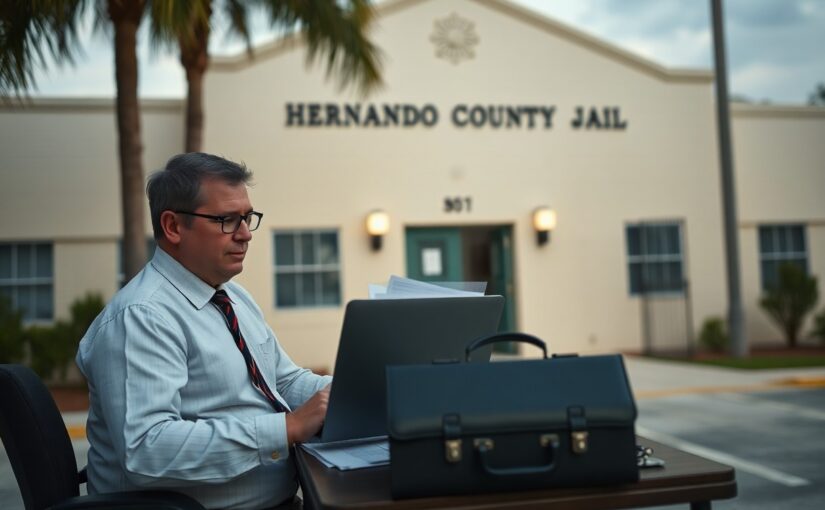
Mobile Notary and Power of Attorney For Hernando County Jail

You may need a mobile notary and/or power of attorney services when dealing with legal matters involving Hernando County Jail (Florida). These services help you authorize someone to act on your behalf and ensure important documents are properly notarized without requiring your physical presence. Understanding how to efficiently access these services can save you time and avoid unnecessary complications when managing jail-related legal processes. This guide provides clear information on handling your mobile notary and power of attorney needs specifically for Hernando County Jail situations.

If you need immediate assistance with a mobile jail notary or document preparation call 321-283-6452

Understanding Mobile Notary Services

Before you engage a notary for legal documents related to Hernando County Jail, it’s important to understand mobile notary services. These services offer flexibility by coming to your location, saving you time and effort. Whether you need to notarize a power of attorney or other important papers, knowing how mobile notaries operate ensures your documents are handled efficiently and legally.

Definition and Role of a Mobile Notary

At its core, a mobile notary is a licensed professional who travels to meet clients and notarizes documents on site. This service is especially helpful if you are unable to visit a notary’s office due to time constraints or location. The mobile notary verifies your identity, witnesses signatures, and ensures the authenticity of your documents for legal use within Hernando County.

Benefits of Using a Mobile Notary

By choosing a mobile notary, you enjoy the convenience of having documents notarized at your preferred location and time. This service reduces stress when handling sensitive matters, such as power of attorney for inmates, allowing you to complete necessary paperwork without travel or long waits. It also offers privacy and personalized attention.

It is also beneficial because mobile notaries are often available beyond typical business hours, accommodating your busy schedule. Their ability to travel to jails (like Hernando, in Brooksville, FL) or your home gives you direct access to notarization services in situations where mobility or timing is a challenge. This flexibility can make the entire process much smoother and quicker for you.

Power of Attorney Explained

There’s a legal document called Power of Attorney (POA) that allows you to appoint someone to make decisions on your behalf. This can be especially helpful if you’re unable to handle your affairs due to absence or incapacity. Whether dealing with financial, medical, or legal matters, a POA ensures your interests are managed according to your wishes. Having a clear POA is important for managing your responsibilities effectively when you’re in situations like being held in Hernando County Jail.

Types of Power of Attorney

Attorney powers vary, each serving specific roles and purposes:

General POA Grants broad authority to act on your behalf in various matters.
Durable POA Remains effective even if you become incapacitated.
Medical POA Authorizes someone to make healthcare decisions for you.
Limited POA Restricts authority to specific tasks or timeframes.
Springing POA Activates only under defined conditions, such as illness.

Recognizing which type suits your needs helps protect your interests effectively.

Importance of Power of Attorney for Incarcerated Individuals

An incarcerated individual benefits significantly from having a Power of Attorney in place. It enables trusted persons to manage your financial, legal, and personal affairs while you are unable to do so. This arrangement can prevent delays and complications, ensuring bills are paid, property is managed, and other importants are handled smoothly.

Also, having a POA while in jail gives you peace of mind knowing your important matters won’t be neglected. It provides a formal structure for others to act responsibly in your absence, reducing stress and uncertainty about the management of your assets and decisions that require timely attention.

Mobile Notary Services in Hernando County Jail

Clearly, mobile notary services offer a convenient solution to notarize documents for individuals at Hernando County Jail. This service allows you to have your important legal papers, such as power of attorney forms, notarized without leaving the facility. It is designed to accommodate the unique restrictions and challenges present in the jail environment, ensuring your documents are authenticated promptly and efficiently. We can provide these services at fast and affordable prices!

Process of Engaging Mobile Notary Services

Any time you need a mobile notary at Hernando County Jail, you will typically contact a notary service that specializes in jail visits (like Noble Notary & Legal Document Preparers). After scheduling, the notary will coordinate with jail officials to arrange a secure time for the appointment. You will present your documents (or we can prepare them) and identification, and the notary will perform the notarization while following all jail protocols to validate those signatures.

Requirements and Documentation Needed

With mobile notary services, you must have valid government-issued identification such as a driver’s license or passport, or inmate ID. You need to bring the original documents requiring notarization, ensuring they are complete and not previously signed.

And it is important you verify the specific rules Hernando County Jail imposes, as additional forms of identification or permissions might be necessary. Ensuring all your documents meet these prerequisites before the mobile notary visits will help expedite the process and prevent delays or denial of service.

Legal Considerations

Now, when dealing with Mobile Notary services and Power of Attorney for Hernando County Jail, it’s crucial you understand the legal framework surrounding these processes. This ensures that your documents are properly executed and recognized by authorities within the jail system, safeguarding your intentions and the rights of the parties involved.

Validity and Acceptance of Power of Attorney

To ensure your Power of Attorney is valid in Hernando County Jail, it must be accurately completed, notarized, and compliant with Florida state laws. The jail authorities will review the document’s authenticity and the scope of powers granted, so thoroughness and correctness in preparation are key to acceptance.

Limitations and Responsibilities of the Agent

Considerations you should have as an agent include understanding the boundaries of the authority granted to you and acting in the best interest of the principal. Your duties involve managing affairs ethically and within the limitations specified in the Power of Attorney document.

Legal responsibilities require you to uphold fiduciary duties, avoid conflicts of interest, and handle financial or personal matters prudently on behalf of the principal. Should you exceed your granted powers, decisions made may be challenged, potentially affecting the principal’s interests and exposing you to liability.

Frequently Asked Questions

Once again, understanding the ins and outs of Mobile Notary services and Power of Attorney for Hernando County Jail can ease the process significantly. Here, you’ll find answers to the most common questions, helping you navigate notarizations and legal authorizations effectively during challenging times.

Common Concerns about Mobile Notary Services

Notary services often raise questions about availability, document types, and identification requirements. When you choose a mobile notary, you can expect flexible scheduling and convenience as they come to you, even inside jail facilities. Your documents will be handled with professionalism and confidentiality, ensuring everything is legally valid.

Clarifications on Power of Attorney in Jail Context

Attorney authorization in a jail setting requires understanding specific limitations and procedures. When you set up a Power of Attorney, it empowers a trusted person to act on your behalf for various legal and financial matters, which can be especially helpful if you or a family member is incarcerated.

For instance, when creating a Power of Attorney related to a jail inmate, you need to be aware that certain decisions may still require the inmate’s direct consent or may be restricted by jail policies. It’s important you consult with your notary to ensure all forms comply with local rules, making your legal arrangements as smooth and effective as possible.

Resources and Contacts

After navigating the complexities of mobile notary services and power of attorney for Hernando County Jail, having access to reliable resources and contacts can make the process smoother. Whether you need notarization on the go or legal advice, knowing where to turn will help you handle your responsibilities effectively.

Local Mobile Notary Listings in Hernando County

Along with providing convenience, local mobile notaries in Hernando County offer flexible scheduling to meet your needs. You can find directories online or through community resources that list certified mobile notaries ready to assist with document notarization, saving you time and effort while ensuring your paperwork is handled correctly. We at Noble Notary specialize in these document & mobile notary staffing services.

Legal Assistance Organizations

After exploring your options for notarization, you might find it helpful to connect with legal assistance organizations in Hernando County. These groups provide support and guidance related to power of attorney and other legal matters, helping you understand your rights and ensuring your documents comply with local regulations.

But beyond just offering information, many legal assistance organizations can help you complete necessary legal forms, provide referrals to qualified paralegal services, and sometimes offer services at a reduced cost or free if you meet certain criteria. By reaching out to these resources, you gain professional support tailored to your situation, making the process less daunting.

If you would like to book a mobile notary or inquire about our, signing service agency, or document preparation services, please call 321-283-6452.

Best Mobile Notary & Real Estate Closing Services in Florida

There’s no doubt that choosing the right mobile notary and real estate closing service can make your transactions smoother and more efficient. Whether you’re buying or selling a property, having reliable professionals at your side is necessary for navigating the complexities of documentation and signing processes. In this listicle, you’ll discover the top-notch services in Florida tailored to meet your unique needs, ensuring you can complete your real estate endeavors with confidence. You can choose mobile notaries from a reliable directory site like Noble Legal Pros, or Notary Stars. However, signing agencies can make sure that the best notary or most qualified makes it to you on your timeline by using a more extensive database and applying years of industry experience.

mobile and online notaries public

#1) Noble Notary Signing Service

To find reliable and efficient mobile notary services in Florida, look no further than Noble Notary & Legal Document Preparers. This company stands out for its commitment to providing seamless and professional notarization for a range of documents, making it an ideal choice for your real estate closing needs. Their reputation for excellence ensures you can trust them to handle delicate transactions with care and precision.

Convenient Mobile Service

Even when time is of the essence, Noble Notary Signing Service offers a convenient mobile service that comes directly to you. This flexibility allows you to schedule appointments at your convenience, whether at home, your office, or another preferred location, ensuring you won’t have to disrupt your day for necessary document signing.

Experienced Staff

One of the standout features of Noble Notary Signing Service is its team of experienced staff. You can count on their knowledgeable professionals to guide you through the notarization process, answering any questions you may have along the way.

Services provided by their skilled notaries include document preparation, witnessing, and certification, all tailored to meet your specific needs. With extensive training and a deep understanding of real estate laws and regulations, their staff is equipped to ensure each transaction is executed flawlessly. This expertise not only enhances your confidence but also streamlines the closing process, allowing for a smoother experience overall.

#2) Barrios Notary Services

Barrios Notary Services offers notary public services in Brandon, Lakeland, and Riverview, Florida, with services available in both English and Spanish. They also provide mobile notary services, covering all 50 states, and income tax preparation for individuals and small businesses. Additionally, they offer assistance with immigration form preparation, including applications for visas, green card renewals, and petitions for family members.

Flexible Scheduling Options

Even if you have a hectic schedule, Tim Barrios & His Notaries offers flexible appointment times to accommodate your needs. You can book a notary at your convenience, making the signing process smooth and stress-free, regardless of your commitments.

#3) Nota-Mobile

NOTA-MOBILE® is a mobile notary service in Brevard County, Florida, that brings the notary to you. They offer same-day service, traveling to homes, businesses, hospitals, or public locations. They specialize in wills, mortgage closings, wedding officiating, and power of attorneys, but notarize a wide range of documents. They emphasize their expertise, use of technology, and commitment to high-quality, professional service. They also have 20+ licensed notaries on staff and are expanding coverage throughout Florida.

Fast and Reliable

Clearly, Nota-Mobile prioritizes efficiency in all their services. You can expect your documents to be notarized quickly without sacrificing quality, making your transactions smoother and more satisfactory. Their experienced notaries are dedicated to meeting your deadlines, ensuring that you can proceed with confidence in every closing.

#4) Coastal Closings Notary Services

Not all notary services are created equal; Coastal Notary Services stands out with their exceptional attention to detail and client-centered approach. They provide convenient mobile notary options tailored to your schedule, ensuring you can get the signing services you need without hassle. Their professionals are highly trained to handle a variety of documents and situations, making them a reliable choice for your notary and real estate closing needs in Florida.

Local experts

For those seeking knowledgeable and experienced notaries, Coastal Notary Services employs local experts who understand the nuances of Florida’s real estate laws. Their team is equipped to navigate complex transactions and provide you with personalized guidance throughout the process, ensuring everything goes smoothly from start to finish.

Competitive pricing

You deserve affordable notary services without sacrificing quality. Coastal Notary Services offers competitive pricing designed to fit various budgets, allowing you to access premium service without straining your finances.

Local insights enable Coastal Notary Services to provide you with transparent pricing structures that ensure no hidden fees. Whether you need a one-time signing or ongoing services, their cost-effective rates help you manage your budget while receiving top-notch service. They aim to provide the best value for your notary needs, making sure you get the assistance you seek at a price that works for you.

Conclusion

Drawing together the best mobile notary and real estate closing services in Florida, you have access to exceptional professionals like Noble Notary & Legal Document Preparers and Barrios Notary Services. These services enhance your experience, ensuring that your notarial needs and real estate transactions are handled efficiently and accurately. By choosing the right service, you can navigate your legal and real estate processes with confidence, allowing you to focus on what truly matters in your endeavors.

Savvy DIY Credit Repair – How To Negotiate With Creditors Effectively

Many individuals find themselves overwhelmed by debt and negative credit reports, but you have the power to take control of your financial future. This guide will walk you through the imperative steps to effectively negotiate with your creditors. By understanding your rights and employing proven strategies, you can work towards improving your credit score and relieving your financial burden. Let’s explore how you can become a savvy negotiator and reposition your financial standing for the better.

Understanding Your Credit Report

To effectively negotiate with creditors, it’s important to understand your credit report. This report provides a comprehensive overview of your credit history, including accounts, payment history, and any outstanding debts. Familiarizing yourself with the details can help you identify areas needing improvement and empower you during negotiations.

How to Obtain Your Credit Report

Clearly, obtaining your credit report is the first step in the credit repair process. You can request a free annual credit report from the three major credit bureaus—Equifax, Experian, and TransUnion—through AnnualCreditReport.com. This allows you to review your report without incurring any fees.

Key Factors Affecting Your Credit Score

You should understand the key factors that affect your credit score to negotiate effectively. These include:

  • Payment history
  • Credit utilization ratio
  • Length of credit history
  • Types of credit in use
  • Recent credit inquiries

This knowledge enables you to focus on improving the aspects that will have the most significant impact on your credit score.

It is important to recognize that your credit score can significantly influence your financial opportunities. A better score can lead to lower interest rates, better loan terms, and increased chances of credit approval. Factors contributing to your score include:

  • Payment history consistency
  • Low credit utilization
  • Long-standing credit accounts
  • Diverse types of credit accounts
  • Lack of multiple recent inquiries

This understanding will help you prioritize actions to improve your credit standing before negotiating with creditors.

Preparing for Negotiation

Any successful negotiation requires careful preparation. It’s imperative to understand your financial situation, the details of your debts, and the creditors involved. This knowledge will empower you when discussing potential settlements or payment plans, making your case stronger and ensuring you’re ready to advocate for your best interests.

Tips for Gather Necessary Documentation

For effective negotiations, gather all relevant documents. This includes:

  • Your credit report
  • Account statements
  • Correspondence with creditors
  • Proof of income

Any documentation that supports your position will enhance your credibility and facilitate better conversations.

How to Set Your Goals and Limits

Now, it’s time to establish clear goals and limits for your negotiations. Determine the maximum amount you’re willing to pay to settle your debt and the ideal outcome you seek. This allows you to remain focused during discussions and avoid agreeing to unfavorable terms out of pressure.

Another important aspect of setting your goals is to consider your budget and long-term financial objectives. Factor in how much you can realistically pay each month without sacrificing imperative expenses. This not only keeps you on track during negotiations but also ensures you leave with an agreement that supports your overall financial health.

Approaching Creditors

You may feel apprehensive about reaching out to your creditors, but approaching them can be a positive step toward managing your debt. It’s important to be prepared and approach the conversation with a clear goal in mind. Understand your situation and be ready to discuss your financial challenges openly to find a solution that works for both parties.

Effective Communication Strategies

Assuming you keep a calm and respectful tone while negotiating is key to fostering a productive dialogue. Be clear about your circumstances and express your willingness to pay off the debt. Make sure to listen actively to their responses, as this can lead to a better understanding of your options and potential solutions.

How to Make a Firm Offer

Firm offers should be well-thought-out proposals that reflect your financial situation while showing willingness to settle the debt responsibly. You can propose a specific amount that you can pay and offer to do so in a reasonable timeframe, reinforcing that this is all you can manage based on your current financial status.

For instance, if you owe $5,000, you might offer to pay $2,500 as a one-time settlement, explaining that you are facing financial difficulties but genuinely want to resolve the debt. It’s important to present your offer as a fair compromise, which may incentivize the creditor to accept. Just make sure your proposal is realistic and within your means to avoid further complications.

Negotiation Techniques

Many people underestimate the power of effective negotiation techniques when it comes to credit repair. To enhance your chances of a favorable outcome, it’s crucial to approach your creditors with a well-structured plan. This means being calm, polite, and knowledgeable about your financial situation while emphasizing your willingness to settle or negotiate. Personalizing your communication and being prepared to make concessions can significantly increase your chances of securing better terms.

Tips for Counteroffers

On making counteroffers, it’s important to know how to propose terms that are beneficial for both you and your creditor. Here are some tips to consider:

  • Start with a fair initial offer.
  • Be flexible and open to adjustments.
  • Present your counteroffer clearly and confidently.
  • Document all agreements reached during negotiations.

Recognizing these techniques can empower you during negotiations and lead to a successful resolution.

Factors to Consider During Negotiation

Assuming you want to negotiate effectively, there are several key factors to consider that can influence the outcome of your discussions. Take into account the following aspects:

  • Your financial situation and ability to pay.
  • The creditor’s willingness to negotiate.
  • The potential impact on your credit score.
  • The types of debt you have and their priority.

The insights derived from these factors will equip you with a stronger position as you enter negotiations.

Plus, there are additional dimensions to contemplate when negotiating with your creditors:

  • Past payment history and relationship with the creditor.
  • The current economic climate and its effect on your creditor.
  • Available resources for alternative debt relief options.
  • Your knowledge of federal and state consumer protection laws.

The deeper your understanding of these points, the better prepared you are to negotiate effectively.

Following Up and Finalizing Agreements

Once again, the follow-up is crucial in your negotiation process. After reaching an agreement with your creditor, it’s your responsibility to ensure that everything is finalized on paper. Double-check all details discussed, including payment arrangements and any assurances they made regarding your credit report. Timely follow-ups will not only confirm your understanding but will also reinforce your dedication to getting your credit back on track.

How to Confirm Agreements in Writing

The best way to solidify your agreements is to put everything in writing. After your negotiation, request a written confirmation detailing the terms you discussed, including any new payment plans or changes to your account. This document should be clear and concise, serving as a record of what you both agreed upon. Keep a copy for your files to facilitate future reference.

Tips for Monitoring Your Credit After Negotiation

After finalizing your agreements, it’s wise to actively monitor your credit. To ensure that your negotiations are reflected appropriately, consider these tips:

  • Check your credit reports regularly for inaccuracies.
  • Sign up for credit monitoring services to get real-time updates.
  • Keep track of your payment history to ensure compliance.

Perceiving any discrepancies early will help you address them swiftly and ensure that your credit improves as intended.

Finalizing your negotiations and monitoring subsequently can lead to positive changes in your credit profile. Continuously keep an eye on your credit reports and scores using reliable resources. Taking proactive steps includes:

  • Reviewing your financial records to confirm timely payments.
  • Utilizing tools that alert you to changes in your credit status.
  • Being aware of your credit utilization ratios and adjusting your spending accordingly.

Perceiving these details will empower you to maintain a healthy credit status moving forward.

Maintaining a Healthy Credit Score

All your effort in repairing credit can be undone if you don’t focus on maintaining a healthy credit score. Regularly monitoring your score and avoiding late payments is crucial for long-term credit health. Make timely payments, keep credit utilization low, and limit new credit applications. Establishing good habits now will ensure your credit score remains strong, making it easier for you to secure favorable rates in the future.

How to Build Credit Wisely

Build your credit wisely by establishing a solid foundation with secure habits. Open a credit card or two, and use them responsibly to create a positive payment history. Opt for low-interest options and avoid maxing out your limits. Ensure timely payments and consider becoming an authorized user on a trusted individual’s account, as this can help boost your score. By building credit wisely, you set yourself up for better financial opportunities.

Tips for Avoiding Future Credit Issues

Credit can be challenging, but taking proactive steps can help you avoid future issues. Stay organized and set up reminders for payment due dates to avoid late fees. Keep your credit utilization below 30%, challenge inaccuracies on your reports, and limit the opening of new accounts. Maintain emergency savings to prevent falling behind during financial hardships. By staying vigilant with these practices, you can cultivate a positive credit journey.

Tips for avoiding future credit issues include consistent practices that keep your credit healthy. Here are some suggestions to enhance your financial stability:

  • Pay bills on time
  • Use credit responsibly
  • Check your credit report regularly
  • Limit hard inquiries
  • Educate yourself on credit management

This proactive approach is key to nurturing your creditworthiness.

To wrap up

Following this guide, you can take control of your credit repair journey by effectively negotiating with your creditors. By understanding your rights, preparing your case, and communicating clearly, you can improve your credit situation and achieve better financial health. Approach each negotiation with confidence and persistence, and you will find yourself better equipped to tackle any challenges that arise. Your dedication to improving your credit scores will lead to greater opportunities and financial success.

10 Proven Steps For Successful DIY Credit Repair You Can Start Today

It’s time to take control of your financial future by tackling your credit score head-on. Repairing your credit may seem overwhelming, but with the right steps, you can make significant improvements quickly and effectively. In this guide, we will walk you through 10 proven strategies that you can implement today to boost your credit score. Whether you’re looking to secure a loan or simply want to enhance your financial standing, these actionable steps will empower you on your journey to successful DIY credit repair.

Check Your Credit Report

To start your DIY credit repair journey, you need to obtain and review your credit report. You can access your credit report for free once a year from each of the three major credit bureaus: Experian, TransUnion, and Equifax. Scrutinize your report for any inaccuracies or unfamiliar accounts that could be negatively impacting your score. Identifying errors is the first step in disputing them, which can lead to an improved credit profile. Make notes of any discrepancies to tackle in the next steps of your credit repair process.

Dispute Inaccuracies Promptly

While reviewing your credit report, you may find inaccuracies that need immediate attention. It’s vital to dispute these errors as soon as you spot them, as they can negatively impact your credit score. Start by gathering supporting documents that validate your claim. You can initiate a dispute online, by mail, or by phone with the credit bureau reporting the error. Be clear and concise in your communication, and keep a record of all correspondence. Taking prompt action not only improves your credit standing but also helps ensure that your credit report reflects accurate information.

Pay Bills on Time

The foundation of a strong credit score lies in your payment history. By paying your bills on time, you demonstrate reliability to creditors, which can positively impact your credit rating. Set up automatic payments or reminders to ensure you never miss a due date. This proactive approach not only helps maintain your credit score but can also prevent unnecessary late fees, keeping more money in your pocket. Prioritize your payments and take control of your financial reputation today.

Reduce Credit Card Balances

It’s important to focus on reducing your credit card balances to improve your credit score. Start by assessing your current debts and prioritizing payments based on interest rates. Aim to pay more than the minimum due each month to chip away at principal balances faster. Consider allocating any extra cash, such as tax refunds or side income, towards your highest interest cards. This strategy not only lowers your overall debt but also enhances your credit utilization ratio, significantly boosting your credit profile over time.

Avoid New Credit Inquiries

Some of the best practices in DIY credit repair include minimizing new credit inquiries. Each time you apply for credit, a hard inquiry is recorded on your report, which can temporarily lower your credit score. To protect your score, limit applications for new credit while you are working on improving your financial situation. If you need credit, consider doing your research first to find offers that won’t negatively impact your score. By taking these steps, you can demonstrate responsible credit behavior and rebuild your credit profile more effectively.

Settle Outstanding Debts

Even if your credit report has some blemishes, settling outstanding debts is a key step in your DIY credit repair journey. Start by listing all your debts, prioritizing them based on interest rates and amounts owed. Contact your creditors to negotiate a settlement amount that is lower than your total balance. Many creditors are willing to accept a partial payment if it means they can recover some of their losses. Once you’ve reached an agreement, ensure you get everything in writing to safeguard your interests and request the creditor to update your credit report accurately.

Maintain Old Credit Accounts

If you want to enhance your credit score, maintaining your old credit accounts is necessary. Keeping these accounts open contributes to your credit history, which plays a significant role in determining your creditworthiness. Even if you don’t use them frequently, a long-standing account can demonstrate your established credit behavior. Additionally, older accounts can help improve your credit utilization ratio by spreading your available credit over a longer time period. Just make sure to monitor them for any fraudulent activity to ensure they remain an asset to your credit profile.

Use a Secured Credit Card

Now, consider applying for a secured credit card to rebuild your credit history. This type of card requires a cash deposit that serves as your credit limit, making it less risky for lenders. By using the secured card responsibly—keeping your balance low and making on-time payments—you can positively impact your credit score over time. Additionally, it can help you establish a positive payment history, which is key in improving your credit profile. Just be sure to choose a card that reports to all three major credit bureaus to maximize its benefits.

Monitor Your Credit Progress

Your journey to credit repair doesn’t end with making changes; it’s important to consistently monitor your credit progress. Regularly check your credit report through reliable sources to track improvements and identify any remaining issues. By setting up alerts or utilizing credit monitoring services, you can stay informed of fluctuations in your score and any new accounts or inquiries. This proactive approach enables you to celebrate your successes and swiftly address any negative changes, ensuring you stay on the right path to excellent credit.

Final Words

Considering all points, you now have a concrete roadmap with 10 proven steps to successfully repair your credit on your own. By following these steps, you can take control of your financial health, improve your credit score, and pave the way for better borrowing options in the future. Empower yourself with knowledge and proactive measures, and watch as your credit profile transforms. Start implementing these strategies today to see positive results that will benefit you in the long run.

From Bad To Good – Transforming Your Credit Score Quickly

It’s important to understand that a poor credit score doesn’t have to be a permanent mark on your financial record. With the right strategies and commitment, you can boost your credit score quickly and effectively. This guide will provide you with actionable steps to improve your creditworthiness, enhance your financial opportunities, and pave the way for a healthier financial future. Start taking control of your credit today and watch your score transform from bad to good.

Understanding Credit Scores

Your credit score is a numerical representation of your creditworthiness, typically ranging from 300 to 850. Lenders use it to gauge how likely you are to repay borrowed money. A higher score indicates that you’re a lower risk to lenders, while a lower score may hinder your ability to secure loans or favorable interest rates. Understanding your credit score is fundamental if you want to enhance it effectively, and being informed can empower you to make better financial choices.

What is a Credit Score?

Above all, a credit score is an important reflection of your financial responsibility. This three-digit number takes into account various aspects of your credit history, including payment history, amounts owed, and the length of your credit accounts.

Factors Affecting Your Score

On your journey to improving your credit score, several factors come into play. These elements include:

  • Payment history
  • Credit utilization ratio
  • Length of credit history
  • Types of credit accounts
  • Recent inquiries

This combination of elements determines your overall score and can significantly impact lending decisions.

In addition to the primary factors, other variables that can influence your credit score include how often you apply for new credit, whether you have a mix of credit types, and any errors in your credit report. Maintaining actively monitored accounts and reducing debt can enhance your score. Awareness of these components allows you to navigate your financial landscape effectively.

  • Consistent on-time payments
  • Keeping credit utilization low
  • Maintaining older credit accounts

This approach will contribute to a healthier credit profile and can accelerate the process of improving your score.

Assessing Your Current Credit Situation

Now that you’re ready to enhance your credit score, start by assessing your current credit situation. This involves gathering information about your credit history, understanding how your score is calculated, and pinpointing areas that need improvement. By taking a proactive approach, you can effectively strategize your next steps and set realistic goals for boosting your credit score.

Obtaining Your Credit Report

One of the first steps you should take is obtaining your credit report from the three major bureaus: Experian, TransUnion, and Equifax. All consumers are entitled to one free report from each bureau annually, allowing you to assess your credit standing without any cost. This report will provide detailed insights into your credit accounts, payment history, and outstanding debts, which are necessary for understanding your overall credit health.

Identifying Errors and Issues

Among the key tasks in assessing your credit situation is identifying any errors and issues within your credit report. Scrutinize your report for inaccuracies, such as incorrect personal information, misleading payment history, or accounts that do not belong to you. These discrepancies can negatively impact your credit score and may be resolved through disputes with the credit bureaus.

Consequently, addressing any errors you find is important as it directly affects your credit score. If you see accounts that shouldn’t exist, late payments incorrectly listed, or erroneous credit limits, take action immediately. You can file a dispute with the relevant credit bureau online or through written correspondence. By correcting these mistakes, you will improve your accurate representation, potentially leading to a higher credit score in a shorter amount of time.

Strategies for Quick Improvement

It is possible to quickly elevate your credit score by adopting specific strategies that target your financial habits. By focusing on effective methods like paying down debt, utilizing credit cards wisely, and becoming an authorized user, you can see significant positive changes in your credit profile in a short amount of time.

Paying Down Debt

Along with being consistent with your bill payments, making aggressive payments towards high-interest debts can greatly reduce your overall credit utilization rate. This moves you closer to a healthier credit score as it signals that you are responsible and proactive in managing your financial obligations.

Utilizing Credit Cards Wisely

One of the most effective ways to improve your credit score is by using credit cards responsibly. Ensure you only charge what you can afford to pay off each month, which keeps your utilization low and payments manageable. This practice demonstrates to creditors that you handle credit effectively, positively impacting your score.

Paying off your balance in full each month is vital, as it prevents interest from accruing and showcases your ability to manage credit responsibly. Additionally, aim to keep your credit utilization below 30% of your credit limit. This indicates to lenders that you aren’t overly reliant on credit, further boosting your creditworthiness.

Becoming an Authorized User

Between the benefits of existing positive credit behavior and the opportunity for you to enhance your score, being added as an authorized user on someone else’s credit card can help improve your credit profile quickly. This strategy takes advantage of the primary account holder’s responsible credit usage to positively impact your own credit history.

Another effective tactic is choosing someone with a long history of on-time payments and low credit utilization as your primary account holder. Their established good credit habits will reflect on your report, often leading to a noticeable boost in your score without requiring you to do anything initially. This approach allows you to benefit from their credit history while simultaneously building your own.

Establishing Positive Credit Behavior

All consumers can benefit from establishing positive credit behavior, which paves the way for a better credit score. By actively managing your finances and demonstrating responsible borrowing habits, you can significantly improve your creditworthiness. Key strategies include timely payments, maintaining low credit utilization, and keeping your accounts organized, which can set you on the right path toward a brighter financial future.

Making Payments on Time

Below are the vital steps you should take to ensure your payments are made on time. Set up reminders or automate payments to avoid missing due dates. Late payments can negatively impact your credit score and remain on your report for years, so prioritize this habit to reflect reliability and enhance your credit profile.

Keeping Old Accounts Open

To strengthen your credit history, it’s necessary to keep old accounts open, as they contribute positively to your credit score by demonstrating a long and consistent payment history.

For instance, having older accounts reflects your experience in managing credit responsibly. The length of your credit history plays a significant role in your overall credit score, so by keeping these accounts open—even if they are not actively used—you can show lenders that you have a stable financial track record, which can be beneficial when you apply for new credit. Regularly review your accounts and consider maintaining those with a good payment history, as they are valuable assets towards improving your creditworthiness.

Monitoring Progress

Once again, keeping a close watch on your credit score is imperative to identify how your efforts are paying off. Regular monitoring allows you to see the changes resulting from your actions, such as paying down debt and making timely payments. By tracking your credit score regularly, you can stay motivated and adapt your strategies as needed to achieve your financial goals.

Tracking Your Score Over Time

Against a backdrop of fluctuating financial activity, tracking your score over time provides valuable insight into your credit behavior. By maintaining records of your score, you can pinpoint trends and make informed decisions that align with your goals. A dynamic approach to monitoring will equip you with the necessary knowledge to improve your credit standing effectively.

Tools and Resources

Progress in managing your credit score can be accelerated through the use of various tools and resources designed for this purpose. These platforms offer customized alerts, score simulations, and detailed reports that provide insight into your credit profile. They simplify the process of monitoring your progress and can help you take actionable steps to enhance your credit score.

But, utilizing these tools effectively involves understanding how to interpret the data they provide. Many credit monitoring services allow you to receive regular updates, helping you to identify damage caused by late payments or high credit utilization. By using these resources, you can gain deeper insights into your financial habits, set actionable goals, and ultimately, keep your credit score on an upward trend. Investing time in these tools can be a game-changer for your credit improvement journey.

Common Myths About Credit Scores

For many, credit scores are shrouded in confusion, leading to widespread myths that can misguide your financial decisions. From believing that checking your credit report negatively impacts your score to assuming that carrying a balance is beneficial, these misconceptions can hinder your path to a better credit score. Understanding what’s true and what’s not is vital for taking control of your financial health.

Debunking Misconceptions

For instance, one common myth is that a high salary guarantees a high credit score. In reality, your income does not directly influence your creditworthiness; instead, factors such as payment history and credit utilization are key indicators. Challenging these beliefs can empower you to take practical steps toward improving your score.

Understanding Reality vs. Myth

Before you can enhance your credit score, it’s vital to grasp the difference between reality and myth. Many people hold on to outdated ideas about what affects their credit scores, leading to ineffective strategies in boosting their ratings.

With a clearer understanding of what constitutes a credit score, you can better navigate your journey. For example, you might think that closing old accounts helps; however, it can actually hurt your score by reducing your credit history length. By distinguishing fact from fiction, you can implement strategies that truly work in your favor and lead to an improved credit score.

To wrap up

Summing up, transforming your credit score from bad to good is achievable with focused actions and dedication. By regularly reviewing your credit report, addressing any inaccuracies, paying bills on time, and reducing your debt-to-income ratio, you can see significant improvements in a relatively short amount of time. Additionally, building positive credit habits, such as using credit responsibly and keeping older accounts active, will contribute to your long-term credit health. Take control of your credit journey and watch your score rise, leading to better financial opportunities.

Understanding Credit Utilization – Tips For DIY Credit Repair

There’s no denying that your credit score plays a significant role in your financial health, and one of the key factors affecting it is your credit utilization ratio. This blog post will guide you through understanding what credit utilization is, how it impacts your credit score, and practical tips for improving it through DIY credit repair strategies. By implementing these actionable steps, you can take control of your credit health and work towards a more favorable credit profile.

What is Credit Utilization?

Your credit utilization refers to the ratio of your outstanding credit card balances to your total available credit. This percentage is a vital factor in determining your credit score, as it reflects how responsibly you manage your credit. Keeping this ratio low will not only benefit your credit score but also indicate to lenders that you are a low-risk borrower.

Definition and Importance

The concept of credit utilization is important for understanding how your spending habits impact your overall creditworthiness. It demonstrates your ability to manage debt effectively, and a lower utilization rate often results in a higher credit score. Lenders view this ratio as a signal of your financial health, making it important for securing favorable loan terms.

How Credit Utilization is Calculated

Credit utilization is calculated by dividing your total outstanding credit card debt by your total available credit limit. For instance, if you have a total credit limit of $10,000 and a balance of $3,000, your credit utilization ratio would be 30%.

It’s important to keep track of both your balances and credit limits when calculating your credit utilization. You can improve your score by lowering your balance, increasing your credit limit, or a combination of both. Aim to maintain a utilization ratio below 30% to help enhance your credit profile and create a better impression on potential lenders.

Impact of Credit Utilization on Credit Score

Some of the most significant factors influencing your credit score are your credit utilization ratios. This metric reflects how much of your available credit you’re currently using. High credit utilization can indicate to lenders that you may be overleveraged, which can lower your credit score. Keeping your utilization below 30% is generally recommended to maintain a healthy credit profile.

Understanding Scoring Models

On its surface, understanding credit scoring models may appear complex, but it’s important for managing your credit health. Scoring models, like FICO and VantageScore, weigh factors differently, yet they all emphasize credit utilization as a key component. Knowing how these scores are calculated can help you make informed decisions about your credit management strategies.

The Relationship Between Utilization and Credit Scores

Scoring models tend to view high credit utilization negatively; thus, maintaining low ratios can enhance your creditworthiness. Keeping your utilization below the recommended threshold allows you to present yourself as a responsible borrower, positively impacting your credit score.

Further, understanding the relationship between utilization and credit scores can benefit your financial standing immensely. A lower utilization ratio demonstrates to lenders that you can manage credit responsibly, reducing the perceived risk of lending to you. Each point you can lower your utilization can lead to noticeable improvements in your credit score, potentially making it easier for you to secure favorable loan terms and interest rates in the future.

Best Practices for Maintaining Optimal Credit Utilization

Assuming you want to maintain a healthy credit utilization ratio, it’s important to establish consistent habits that promote financial responsibility. Aim to keep your credit card balances at or below 30% of your total credit limit, making it easier for you to manage payments and avoid damaging your credit score. Additionally, consider utilizing multiple credit accounts to help distribute the balance across various cards, which can bolster your overall credit profile.

Keeping Balances Low

An effective strategy to maintain optimal credit utilization is to keep your balances low. Pay off your credit card charges in full each month to prevent high utilization from negatively affecting your credit score. If that’s not feasible, focus on keeping your balances significantly below 30% of your limit. This practice can enhance your creditworthiness in the eyes of lenders.

Regularly Monitoring Credit Reports

Behind the scenes, regularly monitoring your credit reports can help you stay informed about your credit utilization and overall credit health. Keeping an eye on your reports allows you to detect potential inaccuracies or fraudulent activities that may be affecting your scores. Addressing these issues promptly can protect your credit standing.

A comprehensive approach to monitoring involves checking your credit reports from all major bureaus at least once a year. This way, you can identify patterns in your credit utilization and make necessary adjustments to your spending habits. Utilizing tools or services that offer regular alerts can also keep you informed about any significant changes to your credit profile, enabling you to take action when needed.

Strategies for Improving Credit Utilization

Now that you understand the importance of credit utilization, you can implement various strategies to improve it. Focus on managing your credit responsibly by keeping balances low relative to your available credit. Regularly monitoring your accounts, making timely payments, and avoiding excessive borrowing will contribute to a healthier credit profile.

Increasing Credit Limits

Among the easiest ways to improve your credit utilization ratio is to request an increase in your credit limits. When your available credit rises while keeping your spending the same, this effectively lowers your utilization percentage, which can lead to better credit scores.

Consolidating Debt

Limits to your credit cards may impact your utilization score negatively if you carry high balances. By consolidating your debt into a single loan or transfer, you can manage your debt more effectively and potentially lower your overall utilization ratio.

Understanding how to consolidate debt can be beneficial for improving your credit utilization. This process often involves taking out a personal loan or using a balance transfer credit card to pay off multiple high-interest debts. By doing so, you consolidate your outstanding balances, ideally at a lower interest rate, enabling you to pay down the overall debt quicker. Additionally, it simplifies your payment schedule, making it easier for you to manage and track your expenses, ultimately fostering better financial habits and an improved credit score.

Common Myths About Credit Utilization

Many people hold misconceptions about credit utilization that can negatively impact their credit scores. Understanding these myths is vital for making informed decisions about your credit management. You may believe that maxing out a credit card has no immediate consequences or that closing unused accounts will always boost your score. By debunking these common myths, you can navigate your credit utilization more effectively and improve your overall credit health.

Myth vs. Reality

About credit utilization, many mistakenly think that if you pay your balance in full each month, your usage rate doesn’t matter. In reality, your credit utilization ratio is calculated based on your outstanding balances relative to your total credit limit at the time of reporting. Keeping this ratio below 30% is generally recommended to maintain a positive credit score.

Misconceptions That Can Harm Your Score

Between the various myths surrounding credit utilization, some beliefs can significantly harm your credit score. For instance, thinking that closing old credit accounts improves your credit score can inadvertently raise your utilization ratio, as it reduces your total available credit.

Even more, you may believe that only using one credit card is a safer way to manage your finances, but doing so can lead to high utilization on that single card. This strategy can hurt your score while also diminishing your credit mix, which lenders often favor. It’s vital to keep your utilization balanced across multiple accounts to safeguard and enhance your overall credit profile.

Additional Resources for DIY Credit Repair

Once again, having the right resources at your disposal can simplify your DIY credit repair journey. Various tools, apps, articles, and forums can provide you with valuable insights and support as you work to improve your credit score. By engaging with these resources, you can remain informed and empowered in taking charge of your financial future.

Tools and Apps

Above all, various tools and apps can help you track your credit utilization, monitor your score, and provide personalized tips. Many free services offer features such as budget tracking, payment reminders, and score simulations, making it easier for you to stay on top of your credit health.

Where to Find More Information

Tools and forums dedicated to credit repair are abundant on the internet. Many reputable websites offer articles, guides, and community support tailored to your specific credit concerns. These platforms help you gain deeper insights into credit utilization rules, optimizing your score, and addressing negative marks on your report.

Also, consider visiting financial blogs, credit counseling agency websites, and consumer protection resources to broaden your understanding. These sources typically share research-backed advice and real-life experiences from individuals who have successfully navigated credit repair challenges. By utilizing these resources, you can enhance your knowledge and improve your credit situation more effectively.

To wrap up

Presently, understanding credit utilization is key to effective DIY credit repair. By actively managing your credit card balances and aiming to keep your utilization below 30%, you not only improve your credit score but also enhance your financial health. Regularly monitoring your spending, utilizing budgeting tools, and paying down higher balances can significantly impact your credit profile. Applying these practical tips empowers you to take control of your credit journey and foster a brighter financial future.