28-May-2025
How Can A Florida Life Estate Deed Alleviate Probate Quandaries?
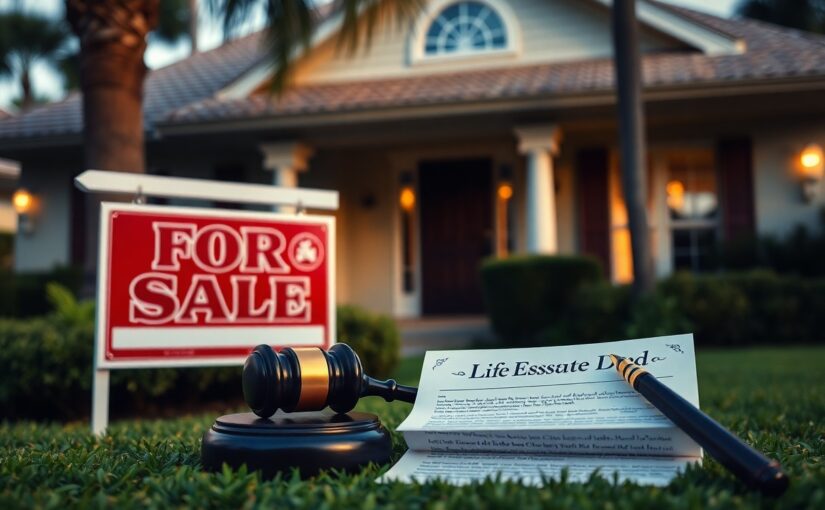
It’s vital for you to understand how a Florida life estate deed can simplify the often complex probate process. This legal instrument allows you to retain the right to live in your property while designating its future ownership to a beneficiary upon your passing. By utilizing a life estate deed, you can effectively bypass probate for that property, saving your loved ones time and potential legal expenses. In this post, we’ll explore the benefits and implications of a life estate deed, providing you with valuable insights to make informed decisions about your estate planning.
Decoding the Florida Life Estate Deed
A Florida life estate deed serves a unique purpose in estate planning, allowing you to retain the right to live in your property during your lifetime while transferring its ultimate ownership to beneficiaries, known as remaindermen. This contractual arrangement can significantly streamline the management of your assets, ensuring a smoother transition of ownership when you pass, thus reducing the need for probate intervention.
What a Life Estate Deed Entails
A life estate deed includes specific language that designates the life tenant, who retains the right to use the property for their lifetime, and the remaindermen, who will inherit it upon the death of the life tenant. This type of deed is typically recorded with the county clerk’s office and clearly outlines the rights and responsibilities of both parties involved, providing clarity and legal protection.
Key Legal Principles Governing Life Estates
Life estates operate under several important legal principles, including the rights to possession, the duty to maintain the property, and restrictions on transferring ownership without consent. The life tenant enjoys all rights to the property, including living in and renting it out, but must also uphold obligations such as paying property taxes and maintaining insurance. Failing to meet these responsibilities can jeopardize the interests of the remaindermen.
The legal framework surrounding life estates is built on established property law, which varies by state. In Florida, the life tenant’s rights are protected by law, ensuring stability for the occupant while also safeguarding the future interests of the remaindermen. Understanding these rights and responsibilities is key, as breach of duty, such as neglecting property maintenance or defaulting on tax payments, could result in significant legal consequences or even a loss of the estate. Familiarizing yourself with the intricacies of life estates in Florida can help you make informed decisions and protect your assets effectively.
The Probate Dilemma: A Florida Perspective
Florida’s probate process poses unique challenges, often burdening families with an extensive legal journey after the death of a loved one. With a longer timeline and higher costs compared to other states, the emotional toll lingers as you navigate court filings, asset evaluations, and creditor claims. For many, the complexity of Florida probate laws, including intestate succession rules and potential family disputes, can turn what should be a period of healing into a time of stress and financial strain.
Common Pitfalls in the Florida Probate Process
Many individuals face common pitfalls during probate, such as delays caused by incomplete paperwork or contested wills. The requirement for court approval can trigger disputes among heirs, while the absence of a clear estate plan can lead to unexpected complications. Additionally, the costs associated with attorney fees and court expenses can drastically deplete the estate’s value, leaving you and your family at a disadvantage during an already difficult time.
How Life Estate Deeds Circumvent Probate Challenges
Life estate deeds are a strategic tool in Florida that helps you bypass the probate process entirely. By designating a beneficiary who will automatically gain access to your property upon your passing, these deeds protect your estate from lengthy court proceedings. This form of ownership not only simplifies the transfer of real estate but also provides clarity on how assets will be managed in the event of your death, thereby minimizing the chance for family disputes.
Utilizing a life estate deed allows you to retain control of your property during your lifetime while naming a remainderman to receive ownership upon your death. For example, if you own a home in Florida and wish to ensure it passes directly to your adult child without the hassle of probate, a life estate deed can accomplish that. As a result, your child can occupy or sell the property without delays or court intervention. This proactive approach not only secures your family’s financial future but also secures peace of mind during your lifetime, knowing your wishes will be honored effortlessly. By eliminating the probate layer, you effectively shield your beneficiaries from typical complications, making the transition smoother and preserving family harmony.
Beyond Probate: Additional Benefits of Life Estate Deeds
Life estate deeds offer more than just a solution to probate issues. They can provide significant additional advantages that enhance your estate planning strategy. As you consider implementing a life estate deed, understanding these extra benefits may help you maximize your estate’s potential while providing security for your beneficiaries.
Asset Protection Features
One noteworthy asset protection feature of life estate deeds is their ability to potentially shield your property from creditors. By transferring ownership of the property to your beneficiaries while retaining a life estate, you create an ownership structure that limits claims against the property, as long as it’s necessary to estate planning. This arrangement can safeguard your home and provide additional peace of mind in difficult financial situations.
Medicaid and Estate Planning Advantages
Incorporating a life estate deed into your estate plan can strategically position you for Medicaid eligibility. By ensuring that your primary residence is not counted as an asset, you enhance your qualifying status for Medicaid benefits, especially for long-term care. Such planning becomes vital, considering that the rising costs of healthcare can quickly deplete personal assets. By utilizing a life estate deed as a part of your broader estate plan, you create an opportunity to protect your home while securing necessary medical support when needed.
Further emphasizing the Medicaid advantages, many individuals overlook how a life estate deed can facilitate smoother transitions into medical care facilities. The property is no longer legally part of your estate as you retain a life interest only; it remains excluded when determining your financial eligibility for Medicaid. This tactic can be particularly beneficial in Florida, where long-term care costs can be astronomical, often exceeding thousands of dollars monthly. By using a life estate deed, not only do you preserve your home for beneficiaries, but you can also protect other assets while accessing crucial healthcare services.
Navigating the Life Estate Deed Creation Process
Creating a life estate deed in Florida can seem daunting, but breaking it down into manageable steps simplifies the process. Start by identifying the property you want to include and appointing the life tenant and remaindermen. A life tenant is the person who retains the right to use the property during their lifetime, while remaindermen gain ownership after their death. It’s advisable to consult with a qualified attorney who specializes in estate planning to ensure all legal parameters are met and documented correctly.
Key Steps to Establishing a Life Estate Deed
To establish a life estate deed, you first need to draft the deed itself, outlining the specific terms, including the rights and responsibilities of the life tenant and remaindermen. Next, both parties should sign the deed in the presence of a notary public. Once executed, file the deed with your county clerk’s office. After this, the property should be clearly identified in public records, ensuring your intentions are legally recognized.
Legal Considerations and Potential Pitfalls
Creating a life estate deed involves several legal considerations that can lead to complications if overlooked. For example, the property must be free of any existing liens, and if there are multiple owners, consensus is necessary. Additionally, life estate deeds can inadvertently trigger property tax reassessments or implications for Medicaid eligibility due to asset transfer regulations. These factors can create unanticipated challenges if not navigated carefully.
Potential legal pitfalls also include failing to properly define the rights of each party, which could lead to disputes down the line. If a life tenant needs to sell or mortgage the property, they might find themselves restricted unless the remaindermen agree. Moreover, if a life tenant accumulates debt, creditors may claim against the property, complicating the estate’s distribution after death. Engaging an experienced estate planning attorney can help you preempt these issues, ensuring your life estate deed functions as intended without unnecessary complications.
Real-Life Applications: Success Stories from Florida Homeowners
Real estate owners across Florida have found life estate deeds instrumental in simplifying their estate plans while preserving property for their loved ones. Many have successfully avoided the lengthy probate process, ensuring a seamless transition of ownership. By utilizing tools such as Using Enhanced Life Estate Deeds to Avoid Probate, these homeowners share their experiences in navigating complex legal waters with remarkable ease.
Case Examples of Effective Life Estate Use
A family in Sarasota transformed their estate planning by establishing a life estate deed for their beachfront property. When the matriarch passed, her children inherited the property without entering probate, allowing them to focus on honoring her memory rather than dealing with legal complexities.
Lessons Learned and Common Missteps
While many have successfully utilized life estate deeds, pitfalls can arise. A key lesson learned is the necessity of clear understanding and documentation. Failing to address aspects like property taxes or insurance responsibilities can lead to unintended consequences that hamper the intended benefits of a life estate deed.
Common missteps often include overlooking state-specific regulations, which can differ widely. You should ensure that the deed is correctly drafted and recorded to avoid complications. Consultation with an estate planning attorney is vital; they can guide you through the nuances of life estate deeds and ensure all legal stipulations are adhered to. Awareness of ongoing costs related to property upkeep during the life tenant’s occupancy is imperative too. This way, you can avoid any financial strain on heirs and maximize the benefits of your estate planning efforts.
Final Words
Ultimately, utilizing a Florida life estate deed can significantly simplify your estate planning process and avoid the delays often associated with probate. By establishing a life estate, you ensure that your property is passed directly to your chosen beneficiaries upon your death, thus bypassing the probate court entirely. This not only saves time but can also reduce your legal costs, allowing your heirs to inherit your assets more smoothly. Understanding how to implement this tool can empower you to take control of your estate and ensure your wishes are met efficiently.
We offer expedient flat-fee solutions for preparation & execution of all types of Florida deeds. For immediate assistance give our agency a call at 321-283-6452!

Leave a Reply