28-May-2025
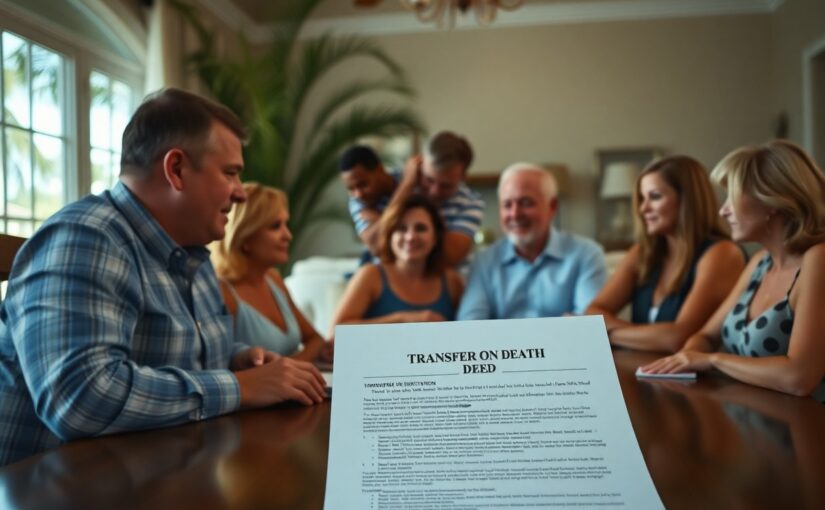
How Do Florida Transfer On Death Deeds Safeguard Your Heir’s Inheritance?
Many individuals in Florida seek ways to ensure that their heirs inherit their property smoothly and without complications. A Transfer on Death (TOD) deed provides a straightforward solution, allowing you to designate beneficiaries for your real estate while avoiding the probate process. By using a TOD deed, you can retain full control of your property during your lifetime and ensure that it passes directly to your chosen heirs upon your death. This blog post will research into the specifics of how Florida TOD deeds work and how they can provide peace of mind for you and your loved ones.
Decoding Transfer on Death Deeds: The Basics
Transfer on Death (TOD) deeds are a straightforward estate planning tool designed to allow you to pass your real property directly to your designated beneficiaries upon your death. This method bypasses the lengthy and often costly probate process. By executing a TOD deed, you retain full control of the property during your lifetime while ensuring that your heirs receive it without delay or complications when the time comes.
The Mechanism: How Transfer on Death Deeds Operate
When you create a TOD deed, you specify who will inherit your property upon your death. This deed must be recorded in the appropriate county clerk’s office to be effective. You retain the right to change or revoke the deed at any point during your lifetime. This means that as circumstances change, you can adjust your beneficiaries or transfer the property if you so choose.
Legal Requirements Under Florida Law
In Florida, several legal standards govern the creation of Transfer on Death deeds. The deed must be in writing, signed by you, and notarized to ensure its legitimacy. Additionally, it must be recorded with the Clerk of the Circuit Court in the county where the property is located to be enforceable. Failure to adhere to these stipulations can result in the deed being deemed invalid, thereby complicating your estate plan.
Specific legal language must be used, and the designation of beneficiaries needs to be clear to avoid disputes. It’s crucial to understand that Florida law allows a full transfer of rights while maintaining your control, setting this process apart from traditional wills or trusts. Moreover, since Florida does not impose limitations on how many beneficiaries can be listed, you have increased flexibility in deciding how your property will be distributed to your family or other loved ones. Establishing a TOD deed correctly ensures that your intentions are honored and that your heirs receive their inheritance without unnecessary delay or confusion.
The Strategic Benefits of Transfer on Death Deeds
Leveraging Transfer on Death (TOD) deeds can reshape how you approach inheritance and estate planning. By designating beneficiaries for real property, you ensure that your heirs experience a seamless transition of ownership, avoiding complications and delays. With Florida’s unique implementation of TOD deeds, you can explore the advantages and structures involved in this process. For more on how to effectively Transfer Property After Death in Florida, keep reading.
Avoiding Probate: A Time and Cost-Effective Solution
Utilizing a Transfer on Death deed allows you to bypass the often lengthy and expensive probate process. By designating a beneficiary, property transfers occur outside of the probate court, saving your heirs significant time and reducing administrative costs. This streamlined procedure ensures that your loved ones can access their inheritance without facing the burden of legal complications and delays typically associated with probating a will.
Ensuring Direct Transfers: The Stakeholder Advantage
Direct transfers through TOD deeds provide a clear advantage by designating heirs immediately upon your passing. This method eliminates ambiguity about who inherits the property, creating a straightforward approach that minimizes disputes among potential claimants. When you implement TOD deeds, your beneficiaries receive the title directly, allowing for instant use, sale, or management of the property without needing to wait for court authorization.
By ensuring that property transfers directly to your designated beneficiaries, you reduce the risk of disputes and confusion that can often arise in the wake of a person’s death. Consider this scenario: without a TOD deed in place, multiple family members may step forward, each holding claims to your property, leading to potential legal battles. However, with a clear and documented TOD deed, your chosen heir can take immediate ownership, simplifying their responsibilities and allowing them to leverage the property right away. This strategic advantage not only preserves family harmony but also strengthens your overall estate plan, making it a wise choice for anyone concerned about their heirs’ future.
Potential Pitfalls: What You Need to Know
While Transfer on Death deeds offer valuable benefits, they are not without their complications. You must navigate various legal requirements, ensure proper execution, and consider how such deeds interact with other estate planning tools like wills and trusts. Ignoring these factors can lead to unintended consequences or delays in your heirs receiving their inheritance.
Limitations and Restrictions of Florida Transfer on Death Deeds
In Florida, the use of Transfer on Death deeds is limited to homestead property and does not extend to other types of real estate or personal assets. Additionally, full ownership must be established before you can successfully execute the deed, which can complicate matters for co-owned properties. Be aware that if debts remain unpaid against the property, your heirs may face challenges upon inheritance.
Common Misconceptions That Could Impact Your Estate Plan
Misunderstandings about Transfer on Death deeds can significantly impact your estate plan, often leading to misguided decisions. Some individuals mistakenly believe that using a TOD deed avoids all probate issues entirely, failing to recognize that any outstanding debts or claims against the property must still be addressed. Others assume that a TOD deed supersedes a will, when in fact, both documents can coexist, potentially creating conflicts if not properly coordinated.
Many people also underestimate the importance of updating a TOD deed in response to major life changes. Events such as marriage, divorce, or the birth of a child necessitate reviewing your designated beneficiaries to ensure their relevance. By not revisiting these decisions regularly, you risk unintentionally disinheriting loved ones or creating emotional disputes among heirs. Adopting a proactive approach in managing your estate plan enhances clarity for your beneficiaries and provides peace of mind as you navigate these complexities.
Best Practices: Crafting an Effective Transfer on Death Deed
Creating a robust Transfer on Death deed involves several best practices to ensure your wishes are honored and your heirs are protected. Start with accurately identifying your property and confirming your ownership status. Clear and concise language should be used to specify the beneficiaries to avoid ambiguity. Make sure to sign and notarize the deed according to Florida laws, and remember to record it with the appropriate county office to establish its legal effect. Regularly review and update the deed as family dynamics change or if your property portfolio evolves.
Key Considerations When Designating Beneficiaries
Choosing beneficiaries for your TOD deed requires thoughtful consideration. You should evaluate your family dynamics to prevent disputes and ensure that your assets are distributed according to your intentions. Consider discussing your choices with future beneficiaries to help manage expectations. Additionally, it’s wise to name alternate beneficiaries if your primary choice predeceases you, ensuring a smooth transition of your estate without unnecessary complications.
Ensuring Compliance: Working With Legal Document Professionals
Collaborating with legal professionals can significantly enhance the effectiveness of your Transfer on Death deed. Non-Attorney document preparers specializing in estate planning are familiar with the nuances of Florida law and can help ensure that your deed complies with all state requirements. This ensures that no unforeseen legal issues arise posthumously, which might prevent your heirs from receiving their inheritance smoothly. By involving a knowledgeable ally, you can confidently navigate the complexities of estate planning and safeguard your beneficiaries’ interests.
Legal document preparers will guide you through the documentation process, helping avoid common pitfalls that could lead to litigation or delays in asset transfer. They can also assist in maintaining accurate records, recognizing tax implications, and aligning your TOD deed with your overall estate strategy. By involving a professional, you not only clarify your intentions but also bolster the chances of a seamless transition of wealth to your heirs, ultimately fulfilling your desires when you’re no longer here.
Real-Life Implications: Case Scenarios and Outcomes
Consider a family where the parent, Jane, uses a Transfer on Death deed to pass her home directly to her daughter, Emily. Upon Jane’s passing, the property transitions smoothly to Emily without going through probate. In contrast, another family relies solely on a will, facing lengthy legal processes and potential disputes over asset distribution. These contrasting outcomes illustrate how TOD deeds can streamline the transfer process, minimize emotional stress, and safeguard your heir’s inheritance against unnecessary complications.
How Transfer on Death Deeds Impact Different Family Structures
Families with blended structures or multiple heirs benefit significantly from Transfer on Death deeds. For instance, if you are a stepparent with children from previous relationships, a TOD deed allows you to specify which heir receives property, reducing conflicts and ensuring each party’s interests are clear. The straightforward nature of TOD deeds helps maintain relationships while providing clarity during emotional times.
Lessons Learned from Estate Planning Oversights
Many individuals learn the hard way that inadequate estate planning can lead to chaos. Failing to update a will after a marriage or the birth of a child can unintentionally disinherit loved ones. A case where a father passed away without a clear plan caused rifts between surviving family members, showcasing the need for accurate documents that reflect your current intentions.
The story of a retiree named Tom highlights a significant oversight in estate planning. After neglecting to update his beneficiary designations and forgetting to create a TOD deed, his estate faced serious complications after his death. His children entered a lengthy legal battle over the distribution of assets, losing not only time and money but also their relationship in the process. If Tom had implemented a Transfer on Death deed, his wishes would have been executed seamlessly, underscoring the necessity for thoughtful and proactive planning in today’s complex family dynamics.
Final Thoughts: Securing Your Heir’s Future with Confidence
Incorporating a Transfer on Death deed into your estate plan provides peace of mind and a clear pathway for your heirs. By executing this document properly, you eliminate uncertainties surrounding property distribution, ensuring that your heirs receive their inheritance without the delays and costs associated with probate. For example, in Florida, a well-prepared TOD deed can help transfer property in a matter of weeks rather than months, providing your loved ones with quicker access to their inheritance. Your proactive decisions today lay the groundwork for a seamless future, securing your family’s financial stability and honoring your legacy.
We offer expedient flat-fee solutions for preparation & execution of all types of Florida deeds. For immediate assistance give our agency a call at 321-283-6452!

Leave a Reply